
Engineering Solutions for Real Material Handling Problems
Identify the problem, uncover its root cause, and find the right UGES solution to improve reliability, safety, and material flow across your plant.
Material Handling Problems We Solve Across Industries
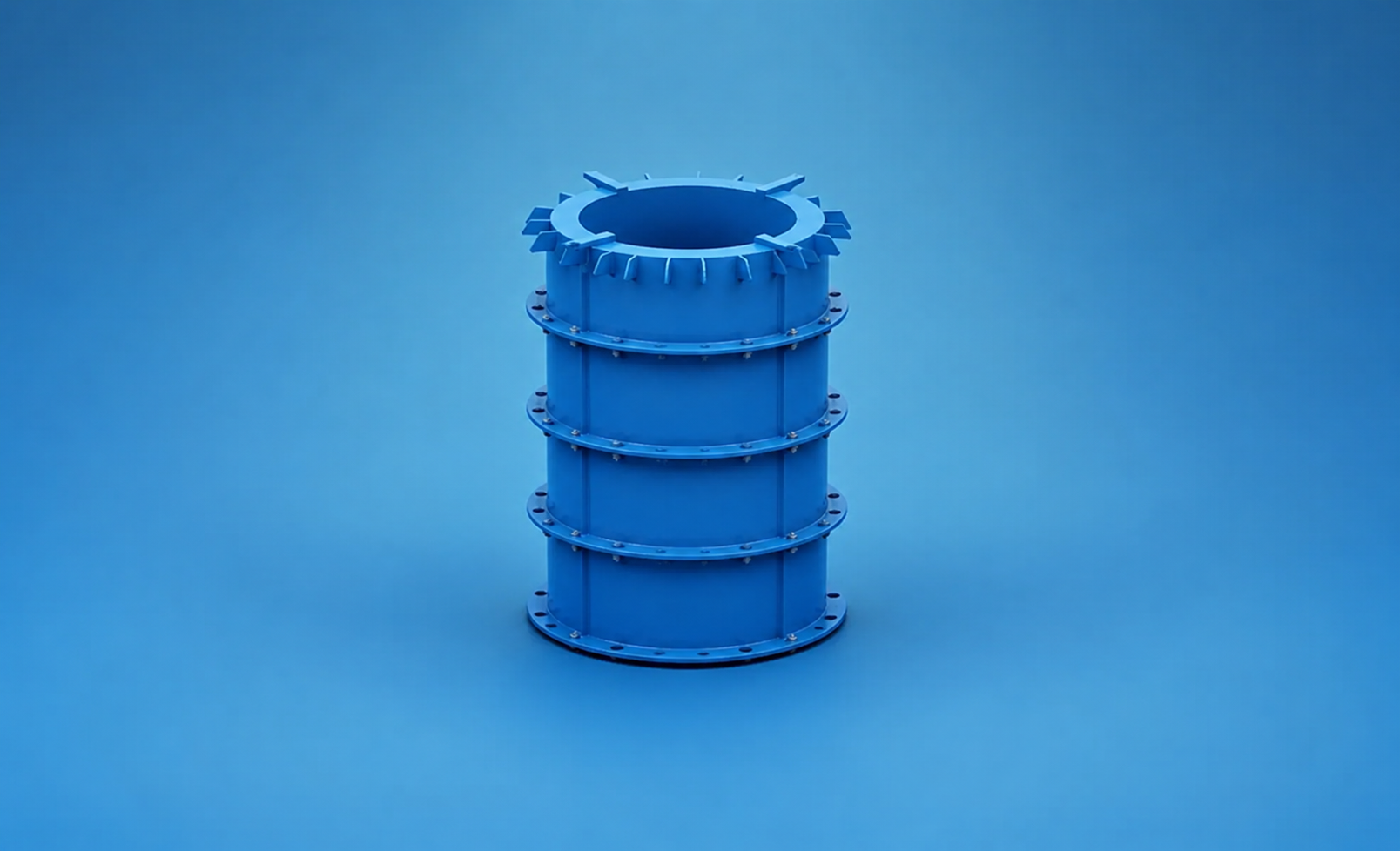
Dip Tube Erosion and Blockage
Dip tube erosion and blockage is a persistent problem in cement, power, and steel plants, set in a kiln or furnace gas stream reaching 1400°C with 2000 g/m³ of dust. Dust wears the tube while deposits and condensed salts plug its bore, so gas sampling and reagent injection fail and emission control loses accuracy. UGES wear-resistant, purged dip tubes keep the bore clear.
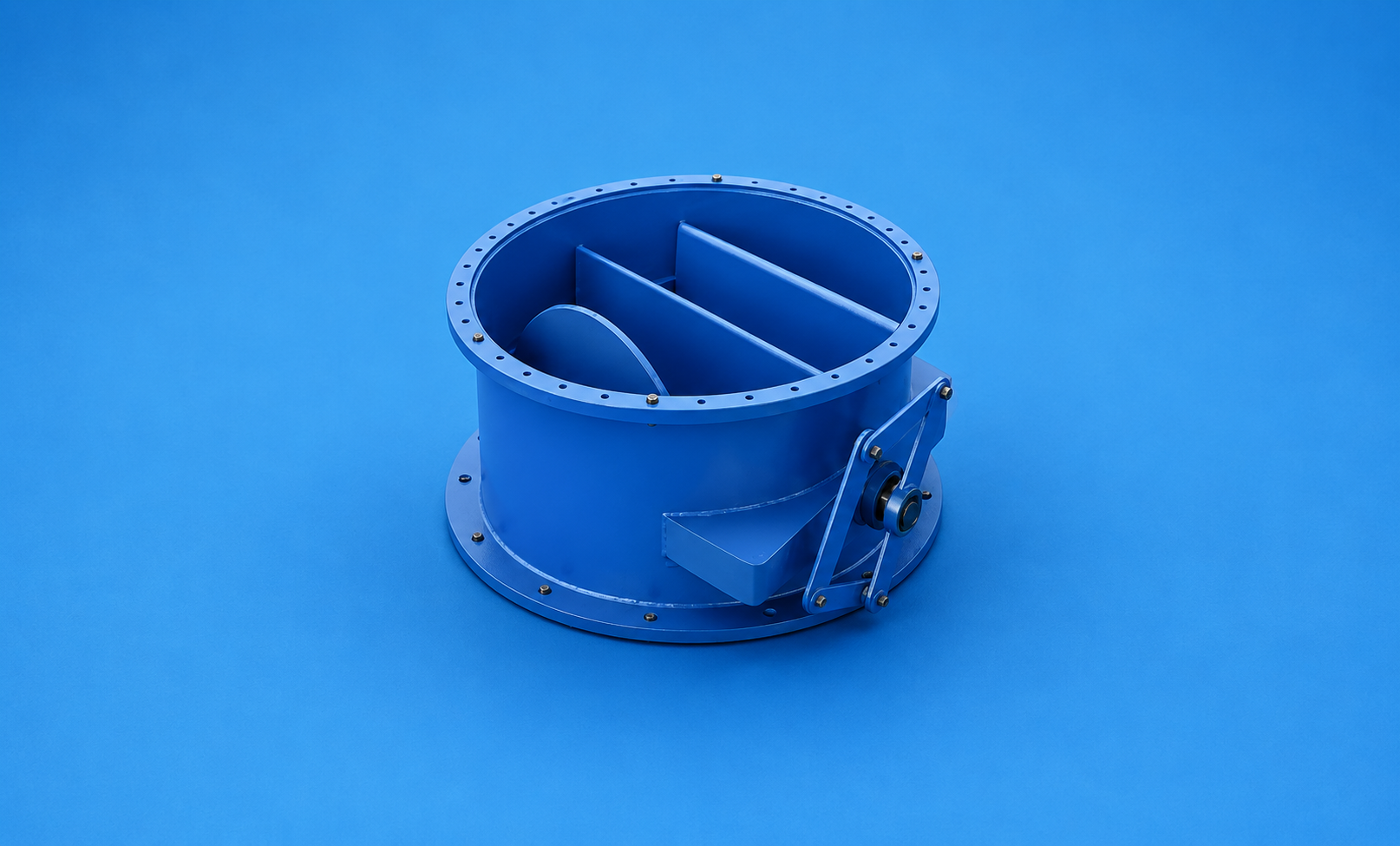
Damper Warping, Leakage and Airflow Imbalance
Damper warping, leakage, and airflow imbalance undermine process control across cement, steel, and power ducting that can run beyond 1000°C. At that heat the blades and frame distort, abrasive dust erodes the sealing edges, and seals degrade, so the damper no longer shuts off tightly. The result is false air, wasted fan energy, and uneven flow. UGES reinforced, abrasion-resistant dampers hold tight shut-off.
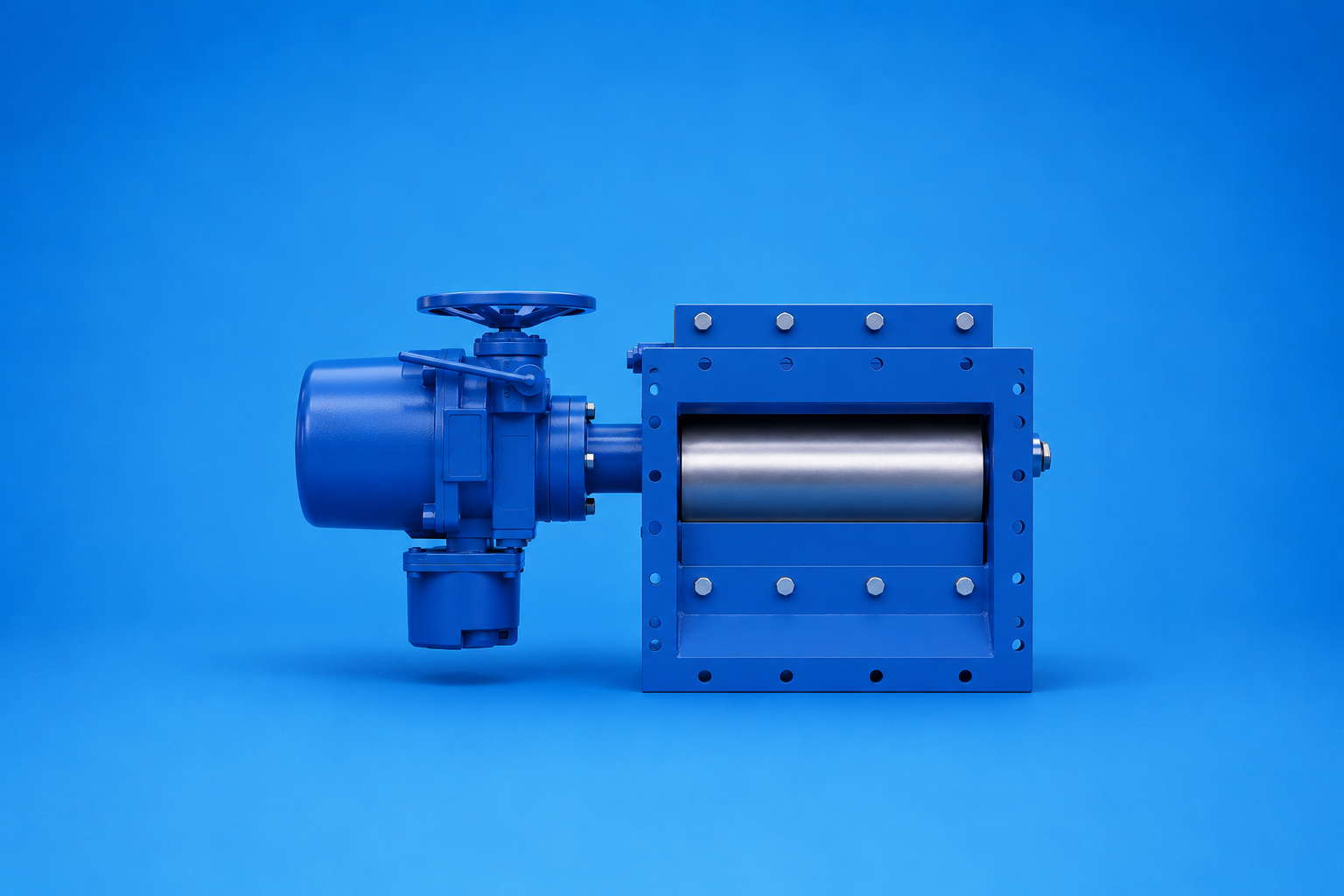
Flow Control Gate Inaccurate Dosing and Feed Variation
Flow control gate inaccurate dosing and feed variation upsets blending at silo and hopper outlets in cement, power, steel, and food plants, where even a 2 to 3% feed swing throws a recipe off. Flooding fines, bridging, and a calibrated opening that drifts as the blade wears push the rate off and waste product. UGES flow control gates with precise actuation hold a steady feed.
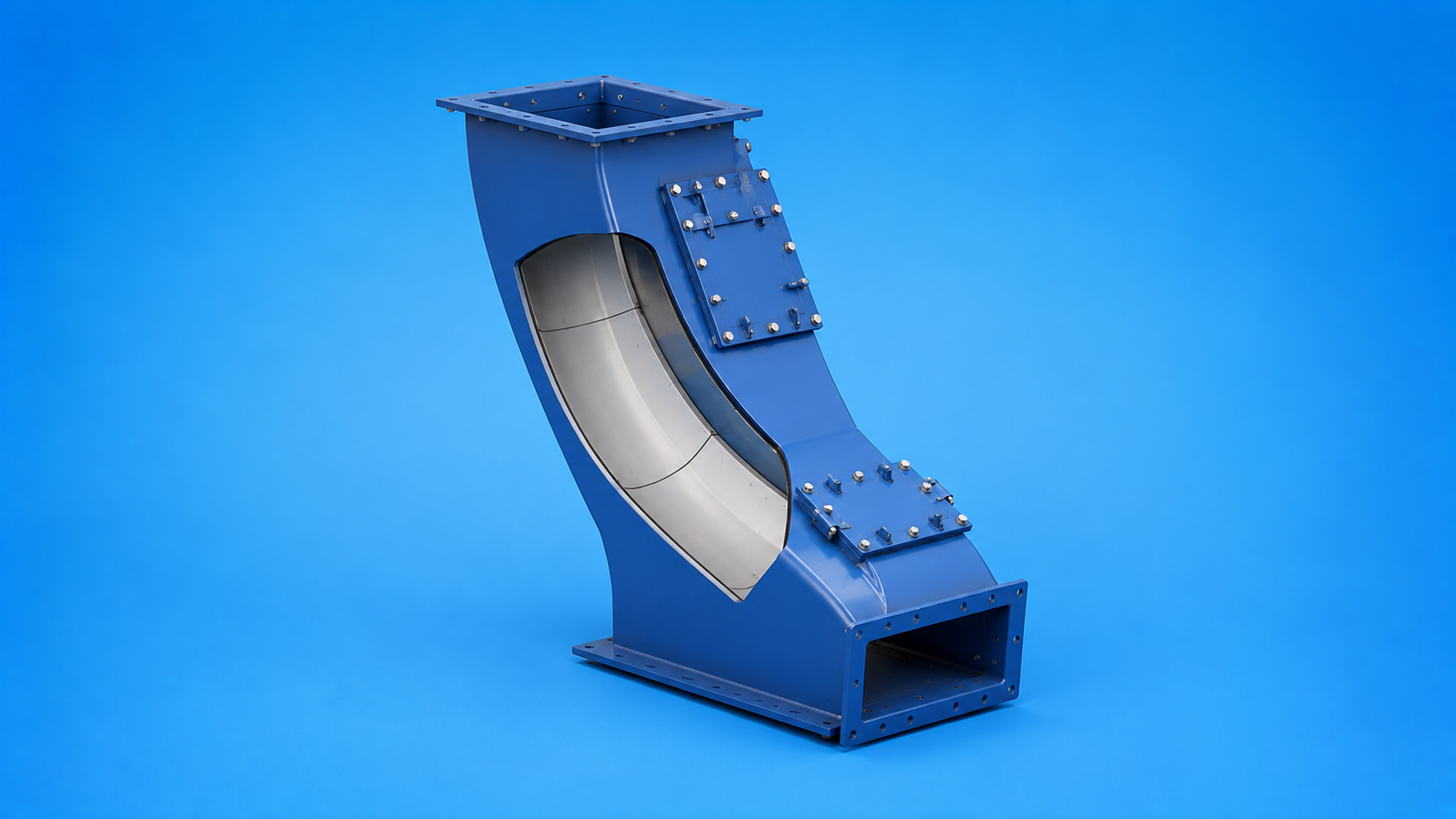
Transfer Chute Blockage and Liner Wear
Transfer chute blockage and liner wear are twin failures across cement, mining, and power plants. When a chute plugs, the conveyor line behind it stops; when the liner wears through, material cuts into the chute itself. Sticky or poorly directed material builds up until flow halts, while abrasive streams wear liners fast. UGES flow-engineered chutes with AR400 and ceramic liners keep material moving.
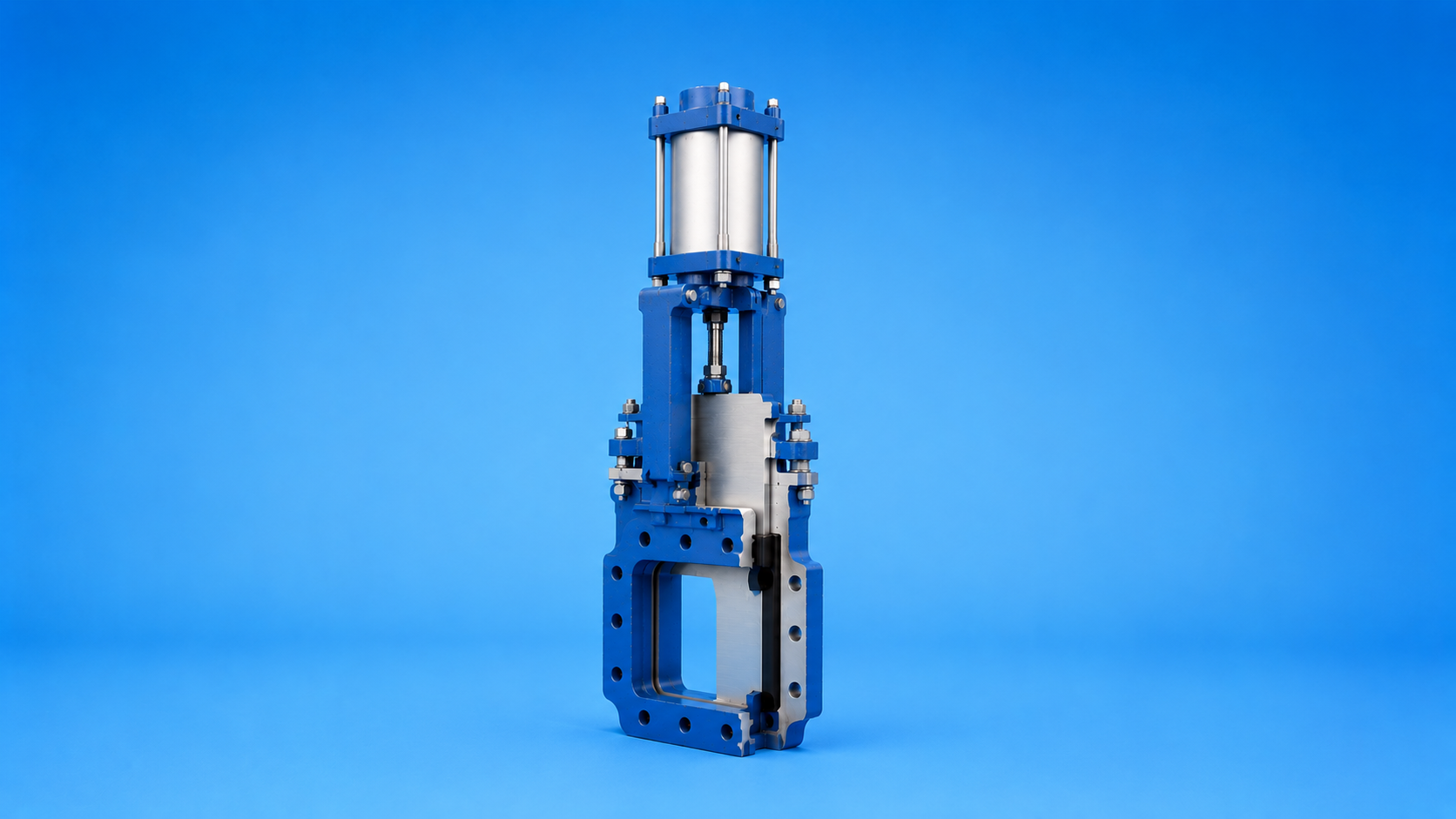
Knife Gate and Butterfly Valve Seat Wear and Leakage
Knife gate and butterfly valve seat wear and leakage is a persistent problem across cement, steel, mining, and power plants handling abrasive bulk solids and slurry. Fine particles embed and erode the sealing faces, so a soft-seated valve can start leaking within 2 to 3 years and clean isolation becomes impossible. UGES hard-faced blades and replaceable seats hold a tight shut-off far longer.
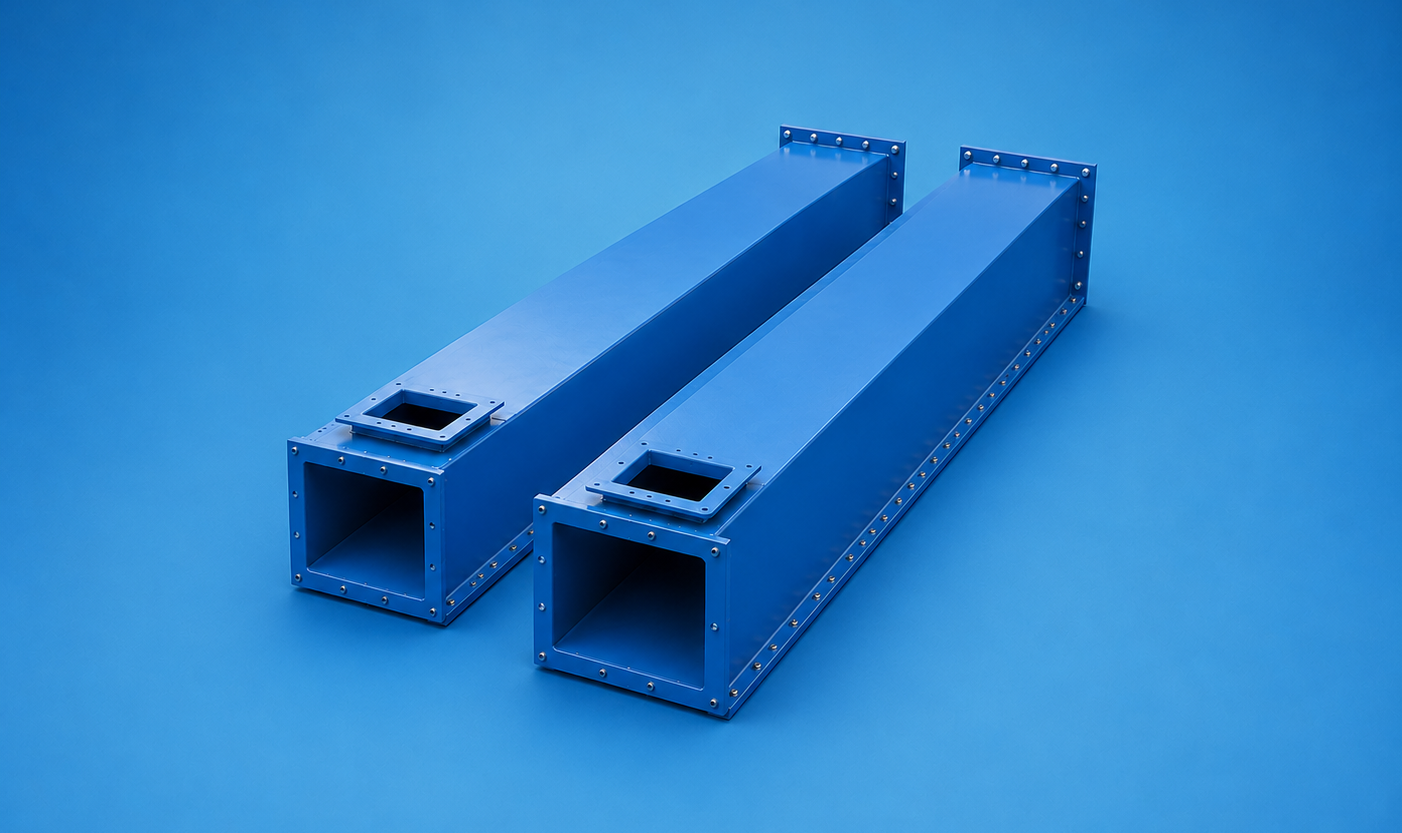
Air Slide Conveyor Blockage and Fabric Blinding
Air slide blockage and fabric blinding is the most common failure in fluidized conveying, where powder flows on air down a gentle 6 to 10 degree slope in cement, power, and alumina plants. When moisture, fines, or debris blind the permeable fabric, fluidization collapses, material stalls, and blower power climbs as resistance rises. UGES graded fabrics and balanced aeration keep powder flowing.
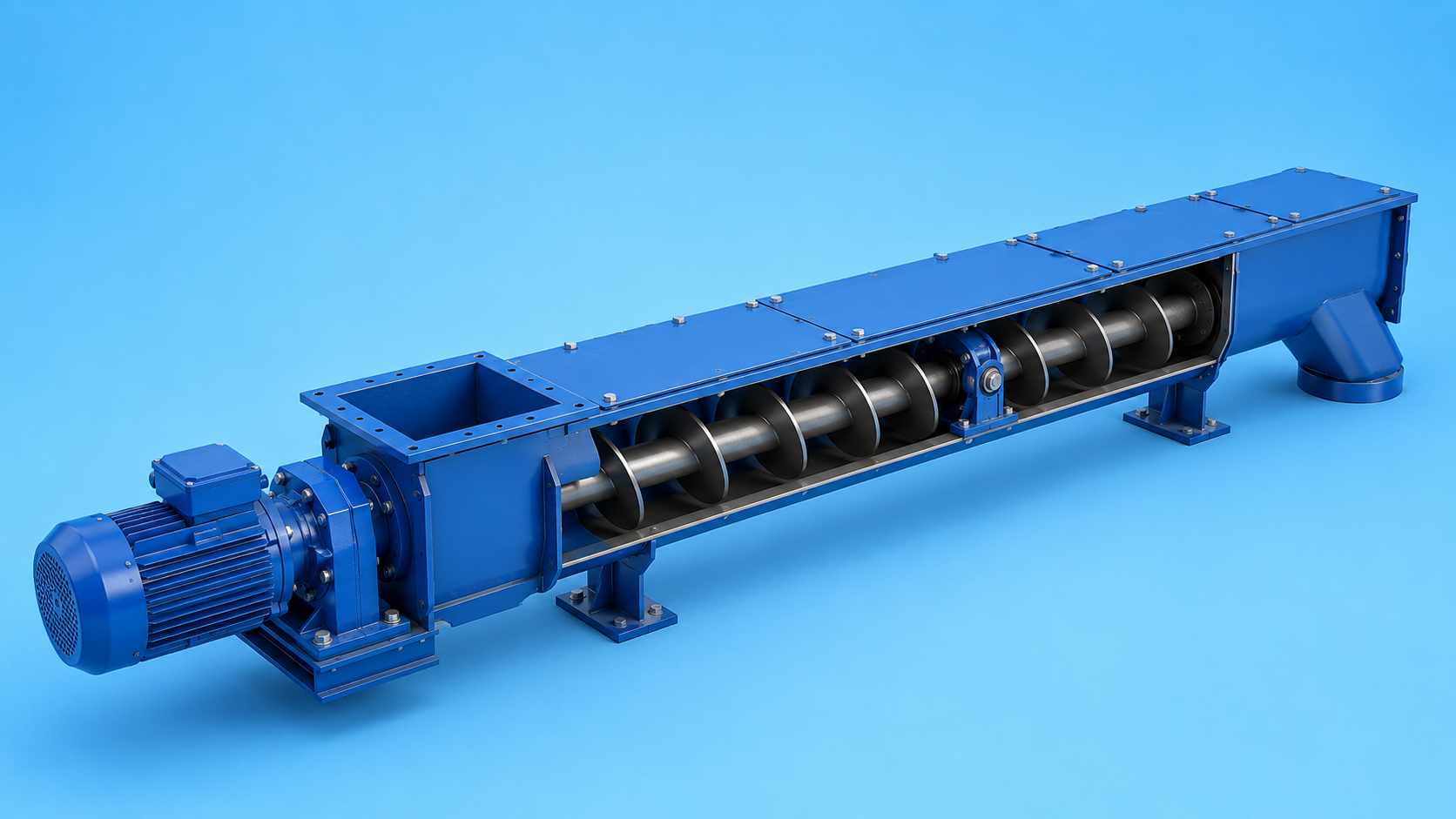
Screw Conveyor Choking and Premature Wear
Screw conveyor choking and wear is a common reason feed lines in cement, chemical, and food plants lose capacity and stop unexpectedly. Loaded above 45% of the trough, run too fast, or fed damp material, the screw packs and stalls, while abrasive product wears the flights and seizes the hanger bearings. UGES engineered screws, hard-faced flights, and sealed hanger bearings keep material moving.
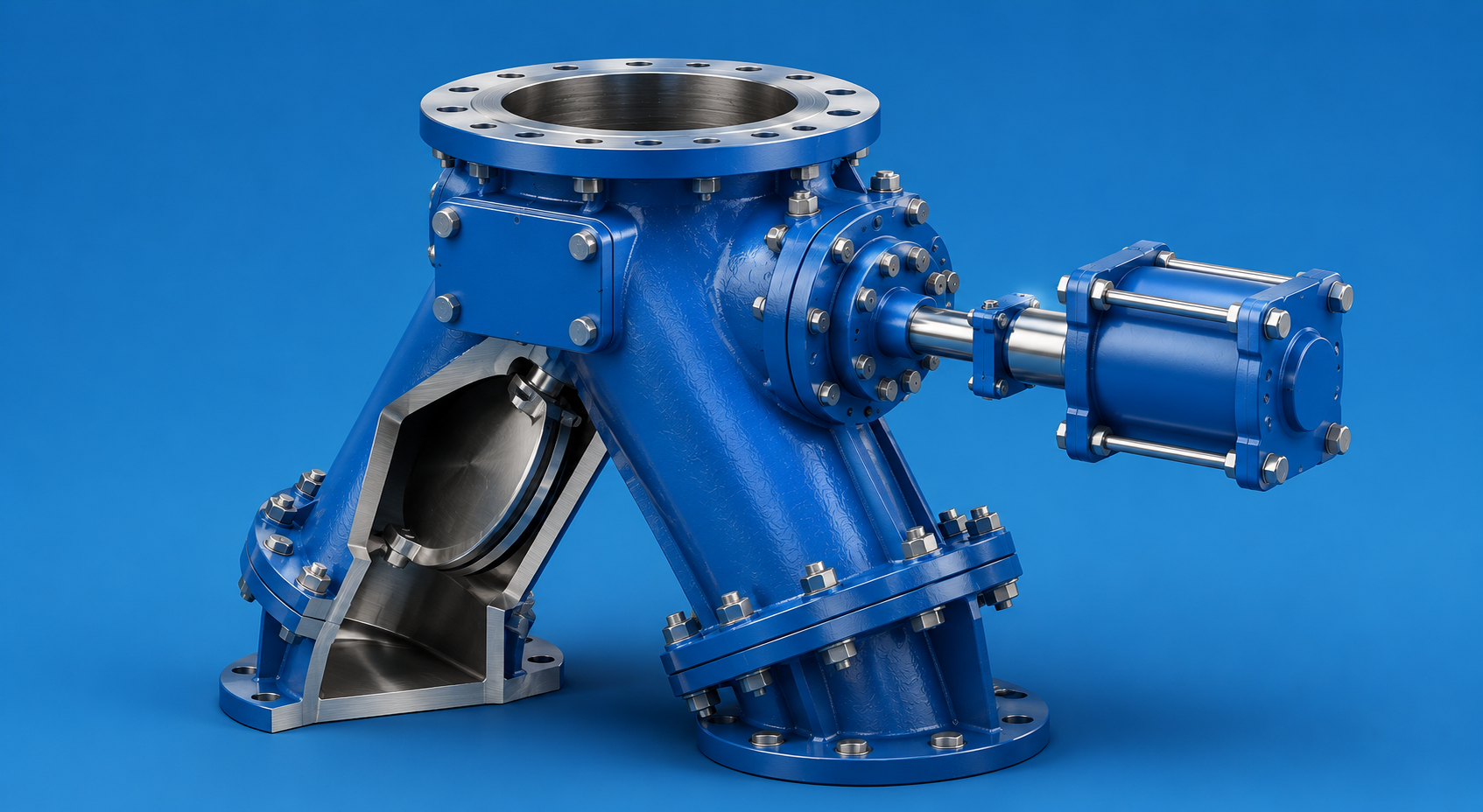
Diverter Valve Leakage and Cross-Contamination
Diverter valve leakage and cross-contamination is a costly, hidden problem in cement, chemical, and food plants, where worn blades, seals, and seats let material carry over to the wrong outlet or escape into the body. A single contaminated silo can cost Rs 5 to 20 lakh in reprocessing or rejected product. UGES sealed-blade, hard-faced, and air-purged diverter valves route material cleanly and hold a tight seal.
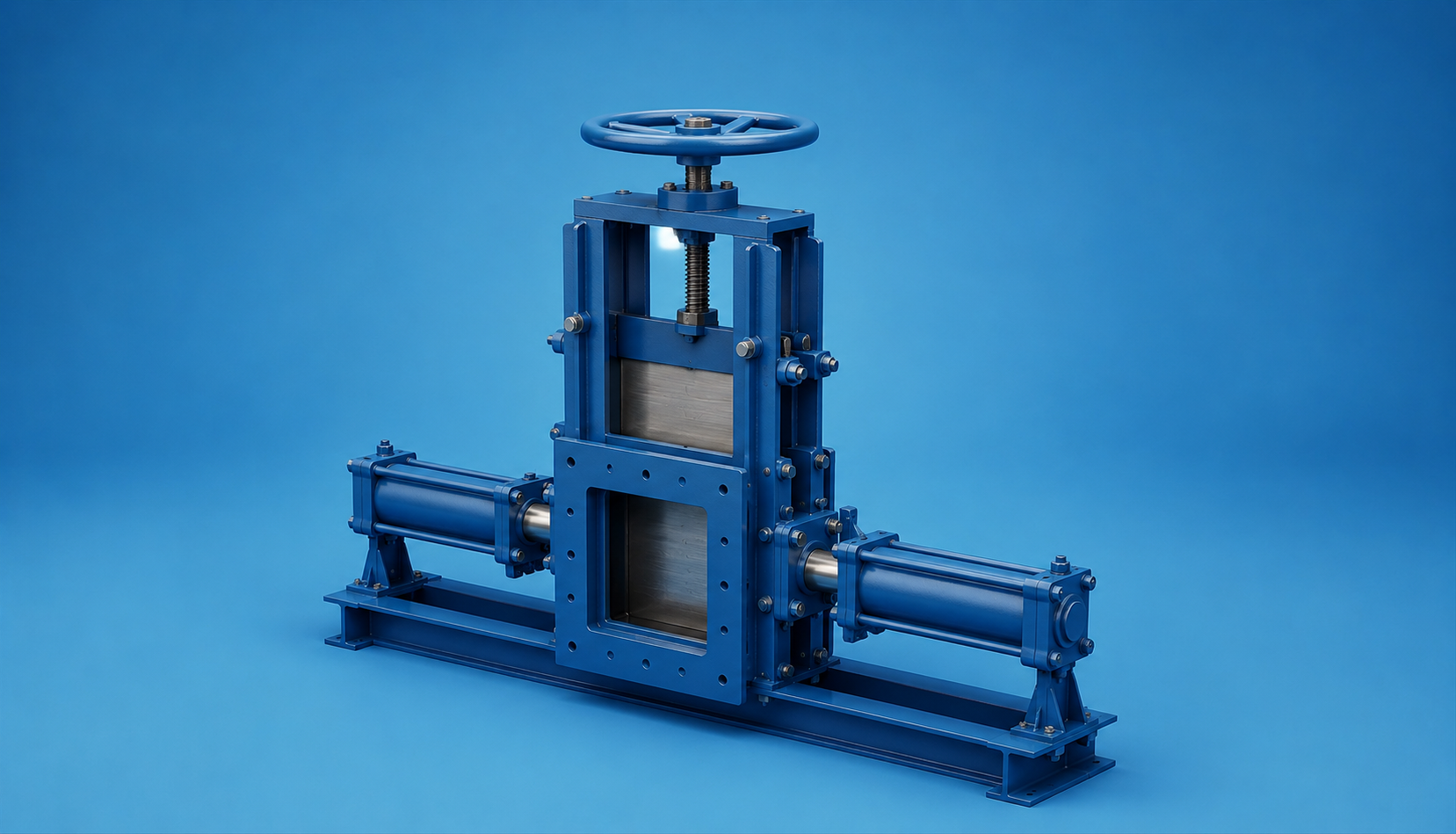
Slide Gate Jamming and Seizing
Slide gate jamming and seizing stalls material flow at silo, bin, and hopper outlets in cement, steel, and power plants. Handling abrasive powders and clinker, fine material below 100 microns packs into the blade guides while the blade and seat wear, until the actuator can no longer move or seal the gate. UGES self-cleaning, hard-faced slide gates keep the blade moving freely and sealing tightly.
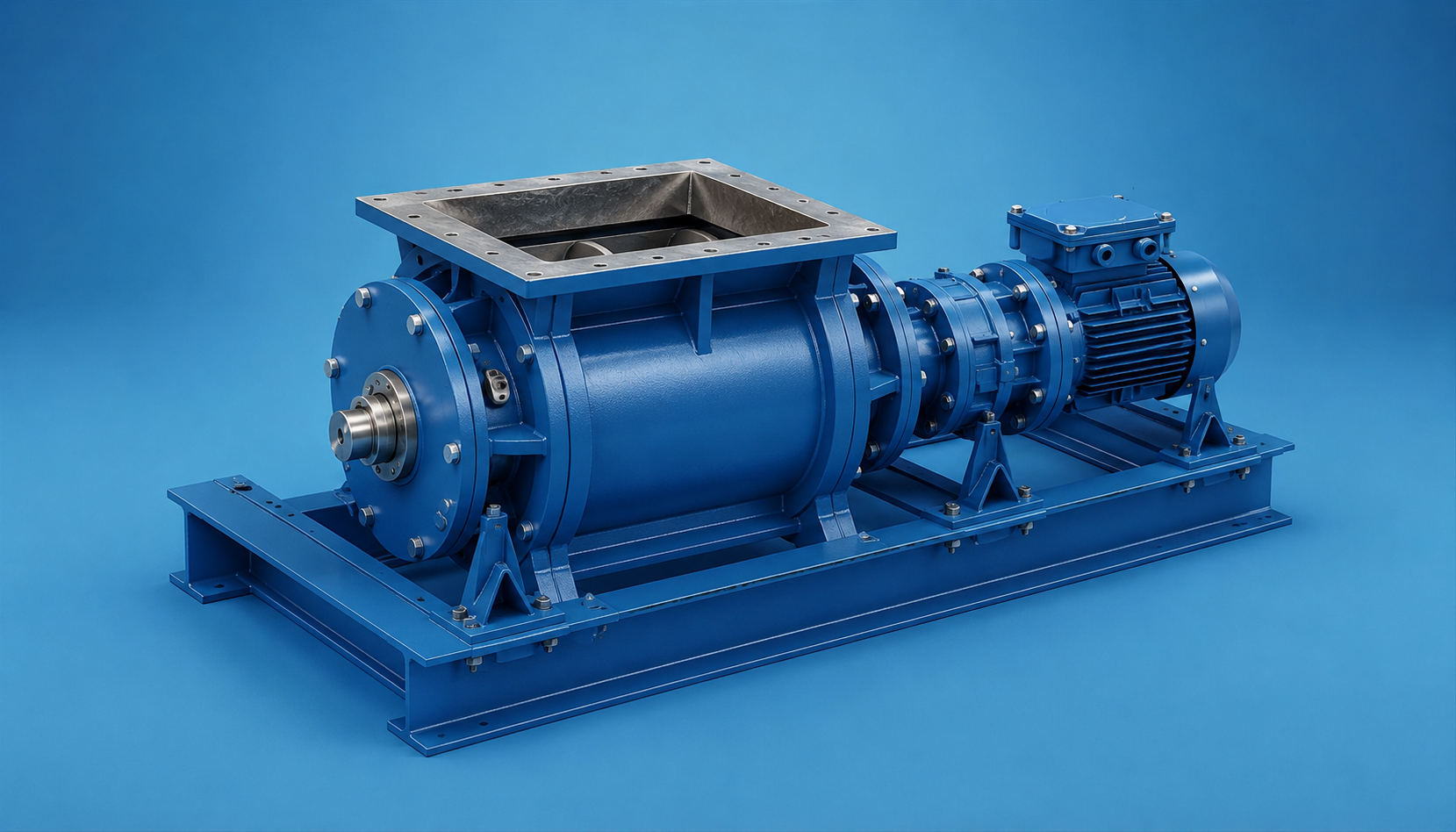
Rotary Airlock Valve Air Leakage
Rotary airlock valve air leakage is a common, overlooked cause of lost conveying capacity and fugitive dust in cement, power, and chemical plants. As rotor tips and the housing bore wear, the running clearance opens past 0.5 mm and air leaks across the valve, cutting efficiency by 20 to 40% and pushing dust past compliance limits. UGES hard-faced airlock valves restore and hold the seal.
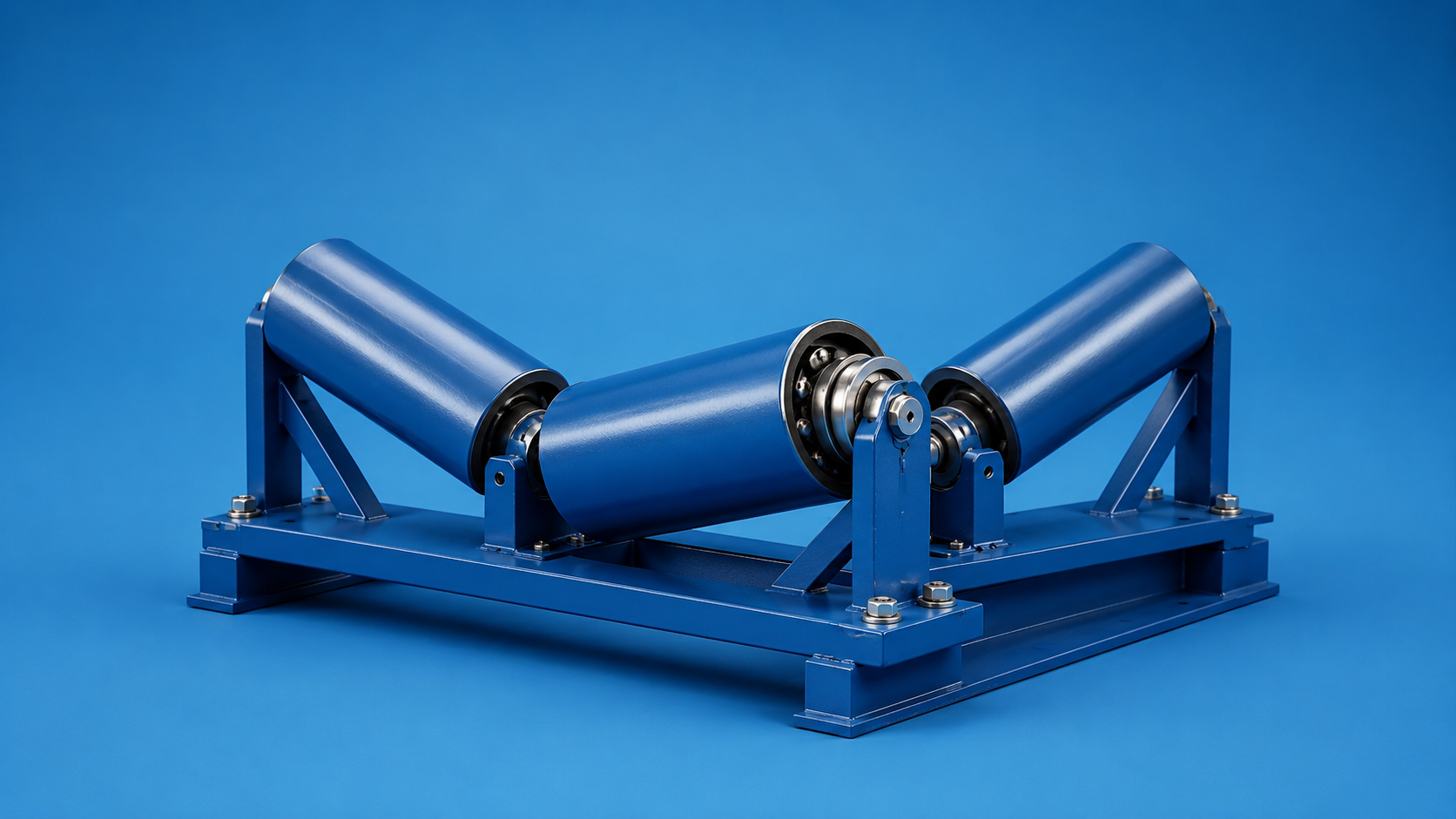
Idler Bearing Failure
Idler bearing failure is the single most frequent component failure in conveyor systems, accounting for over 40% of all conveyor maintenance activities in cement, steel, and power plants. A single seized idler can escalate to belt damage, fire risk, and unplanned shutdowns costing lakhs per incident. UGES precision-engineered idler rollers with advanced sealing technology deliver 3–5x the service life of commodity idlers.
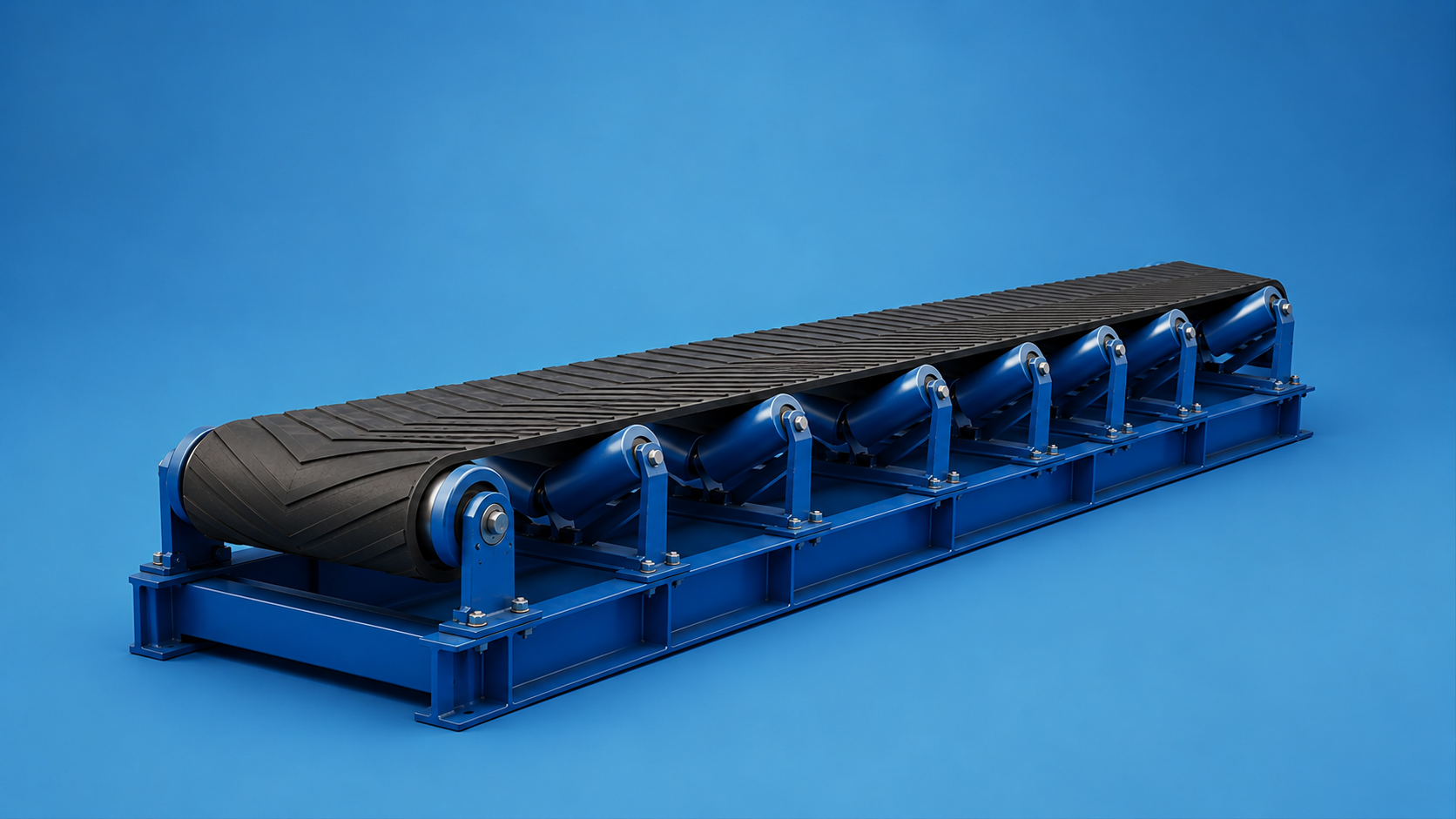
Conveyor Downtime Reduction
Unplanned conveyor downtime costs Indian cement and steel plants an estimated INR 5–15 lakhs per hour in lost production, emergency repair labour, and cascading schedule disruptions. With conveyor systems forming the critical material transport backbone of any bulk handling plant, even brief stoppages can halt entire production lines. UGES reliability-engineered components and preventive maintenance strategies significantly reduce downtime frequency and duration.
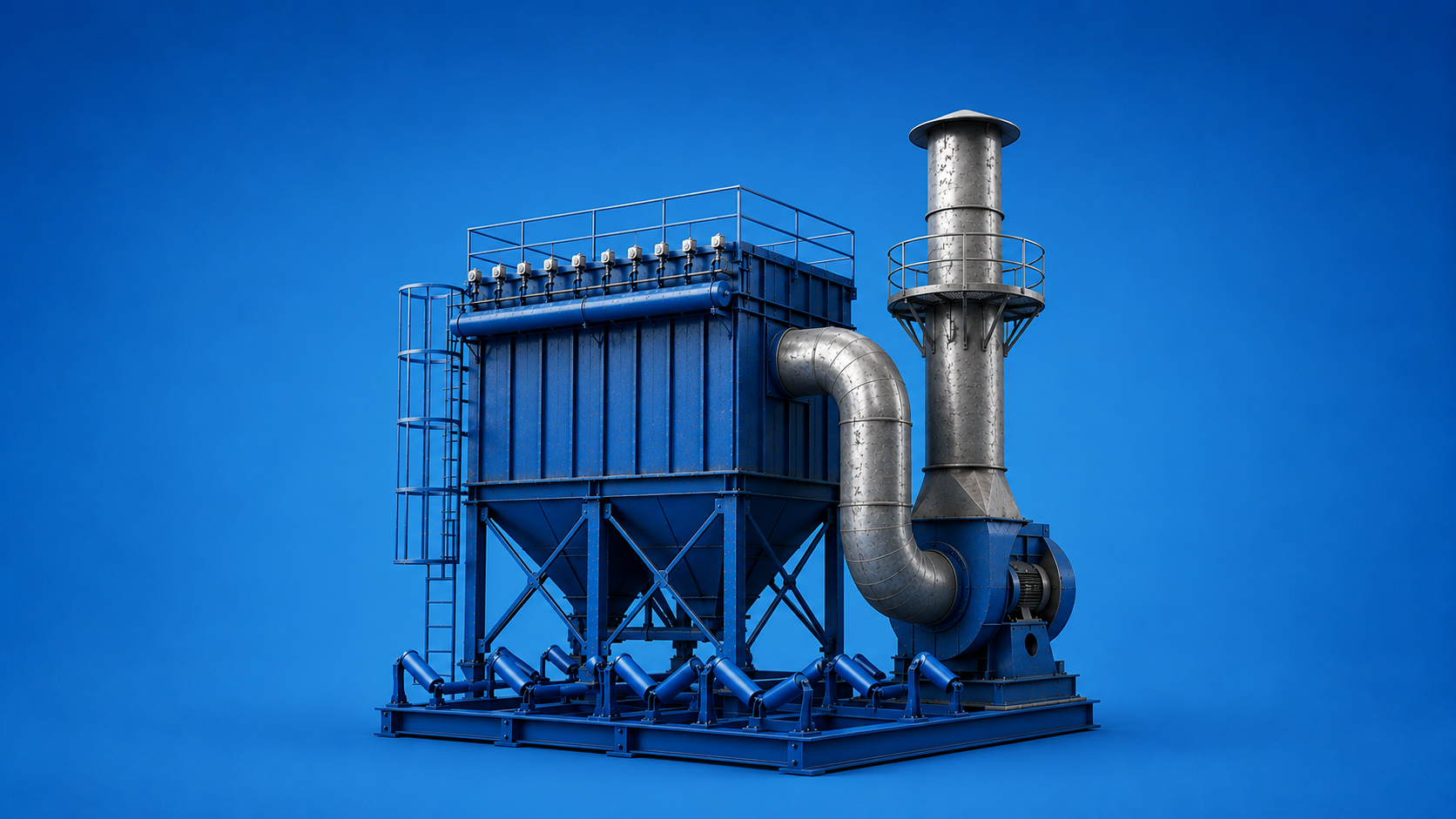
Dust Emission Control in Cement Plants
Fugitive dust emissions from material handling, transfer, and storage systems remain one of the most critical environmental and operational challenges facing Indian cement plants. With CPCB emission norms tightening to 30 mg/Nm3 for process operations, plants require engineered containment and extraction solutions at every dust generation point. UGES provides integrated dust control equipment designed specifically for the demanding conditions of cement manufacturing.
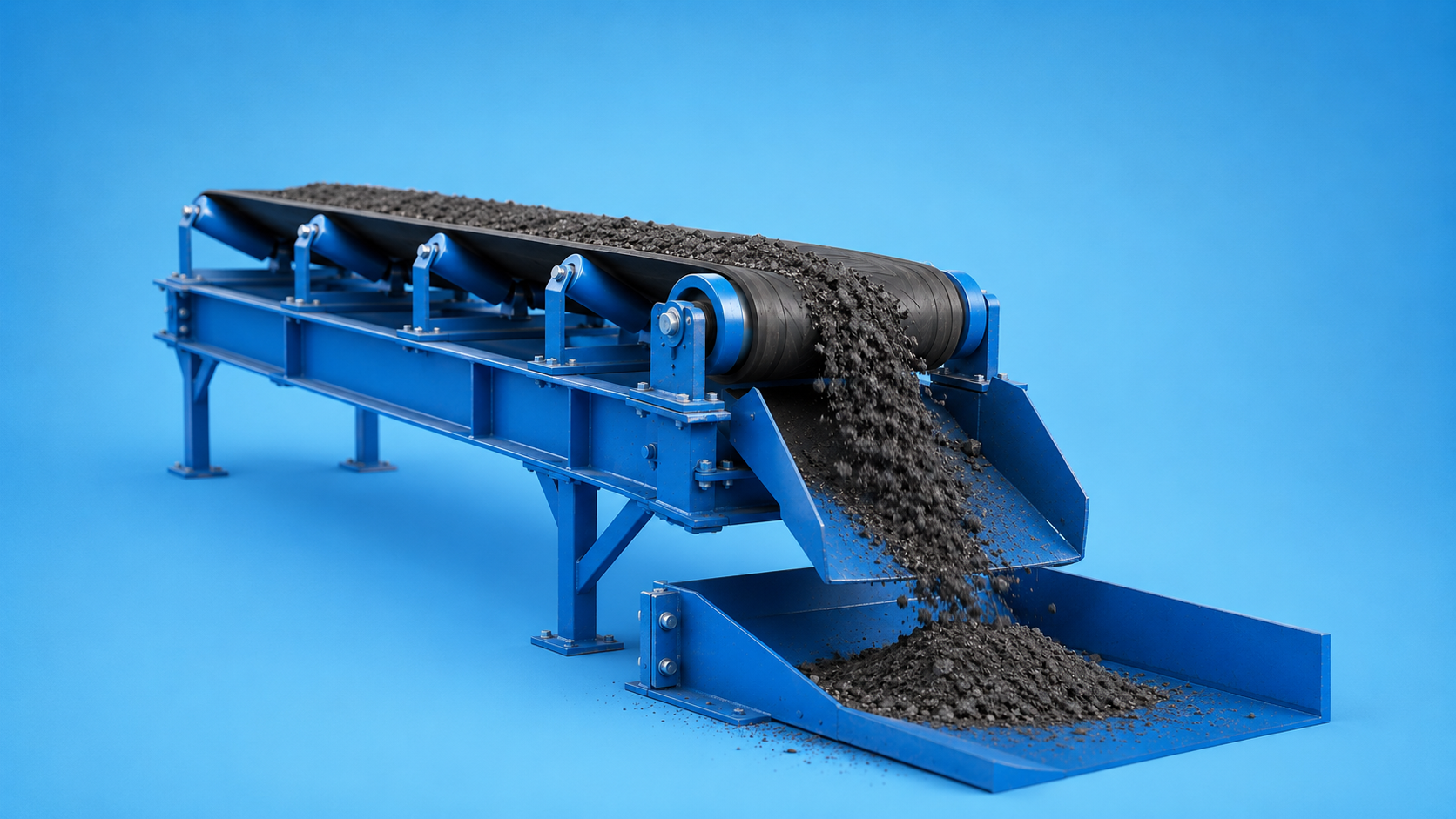
Material Spillage at Transfer Points
Material spillage at conveyor transfer points is a persistent operational challenge in cement, steel, and thermal power plants, leading to product loss, housekeeping burdens, and environmental compliance violations. Spillage rates of 1–3% at each transfer point compound across multi-stage conveyor systems, directly eroding plant profitability. UGES engineered transfer solutions contain material flow precisely, eliminating spillage at its source.
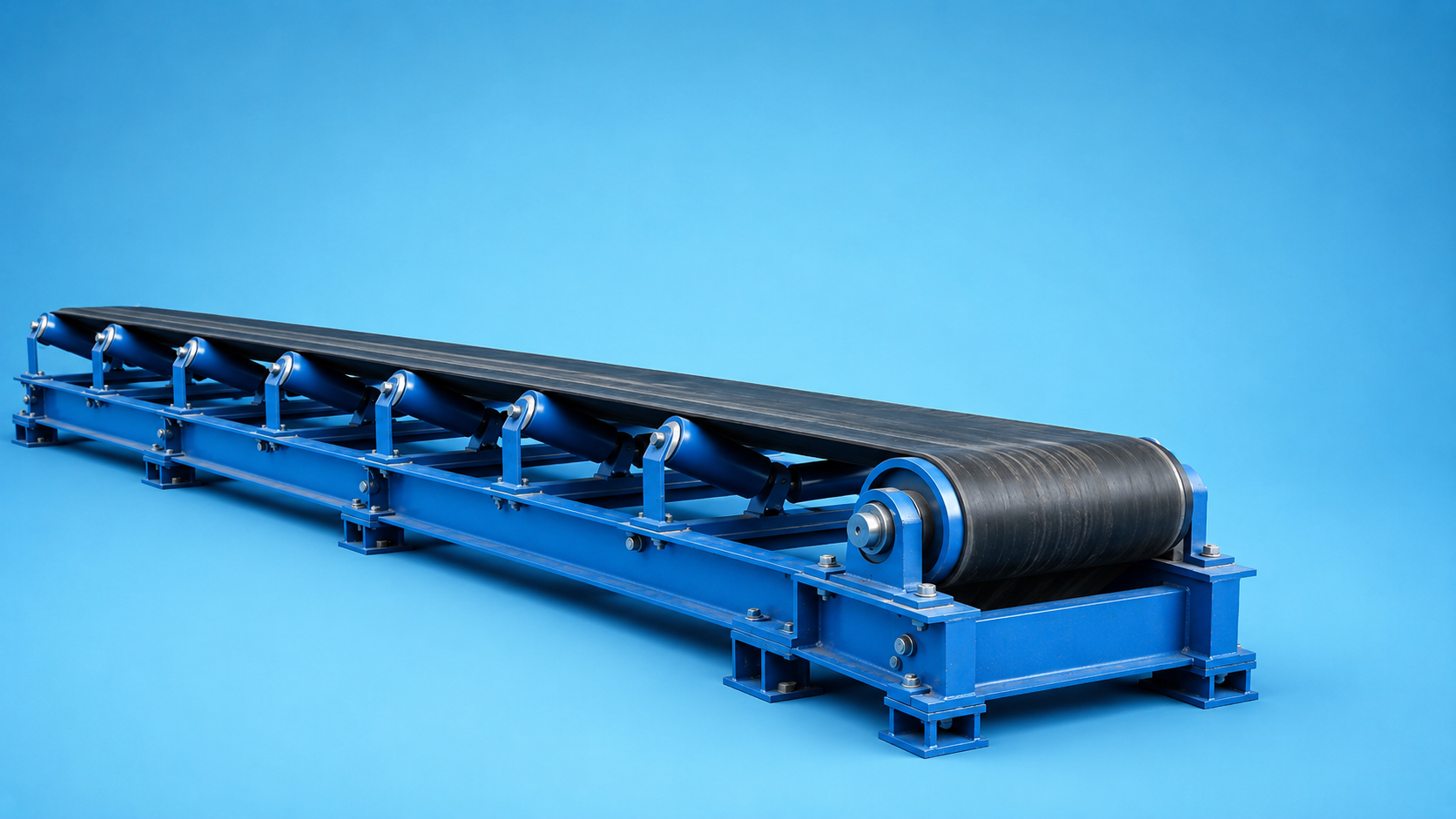
Conveyor Belt Slippage
Conveyor belt slippage occurs when the drive pulley fails to maintain adequate traction with the belt surface, resulting in speed loss, material carry-back, and unplanned shutdowns. Left unchecked, slippage accelerates belt wear, damages pulley lagging, and can reduce throughput by 15–30% in cement and steel plants. UGES engineered pulley and tensioning solutions eliminate slippage at the source, restoring rated conveyor capacity.
Customer Success Stories
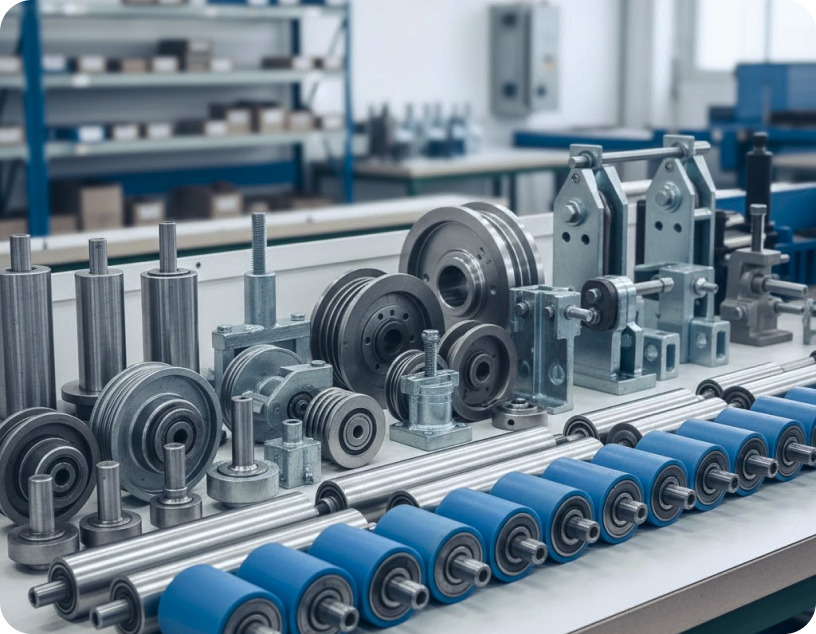
We've been sourcing conveyor components from United Global Engineering Solutions for quite some time now. Their conveyor belt accessories, including industrial conveyor rollers and pulleys, have consistently met our quality and performance standards. We highly recommend them for all your conveyor system needs.
Luke BarrettThe Repeat Client 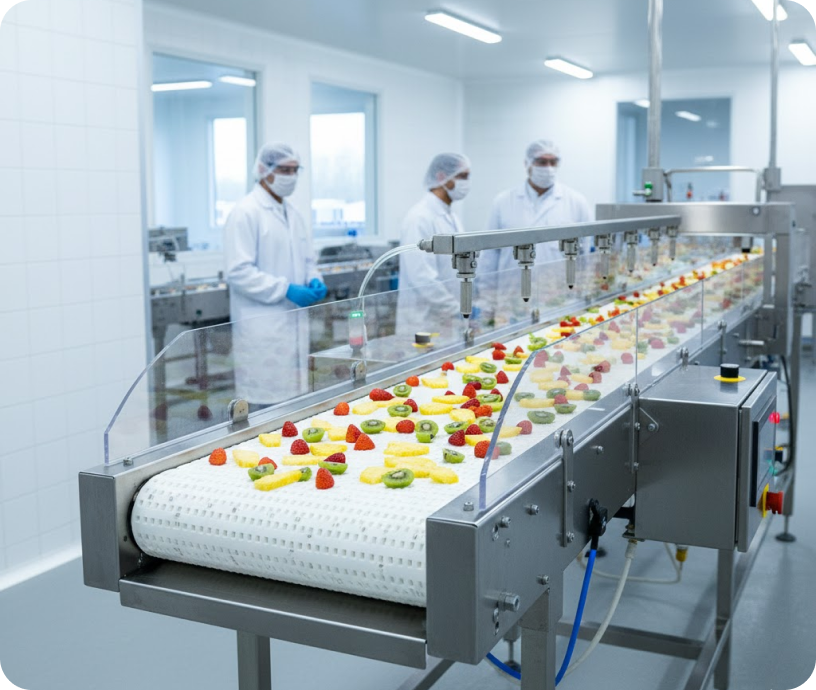
We worked with United Global Engineering Solutions for our conveyor needs, and the experience was excellent from start to finish. Their team understood our requirements quickly, recommended the right conveyor solution for our operations, and delivered quality industrial conveyor belts that made a real difference. Since the installation, our workflow has improved and day-to-day operations feel much more efficient. We’re grateful for their support and would gladly recommend them.
Nathan ColeThe Satisfied Customer 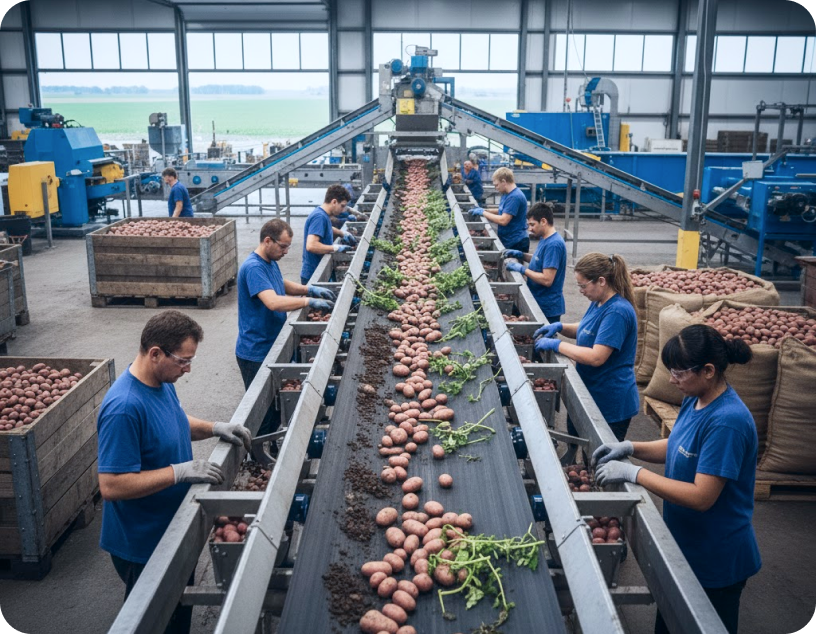
We’ve worked with United Global on multiple projects, and their conveyor belts for food processing have made a real difference. What stands out most is their ability to customize solutions to our needs and deliver quality products on time. Their prompt service and cost-effective approach have made them a partner we can count on.
Mark ReynoldsThe Valued Partner 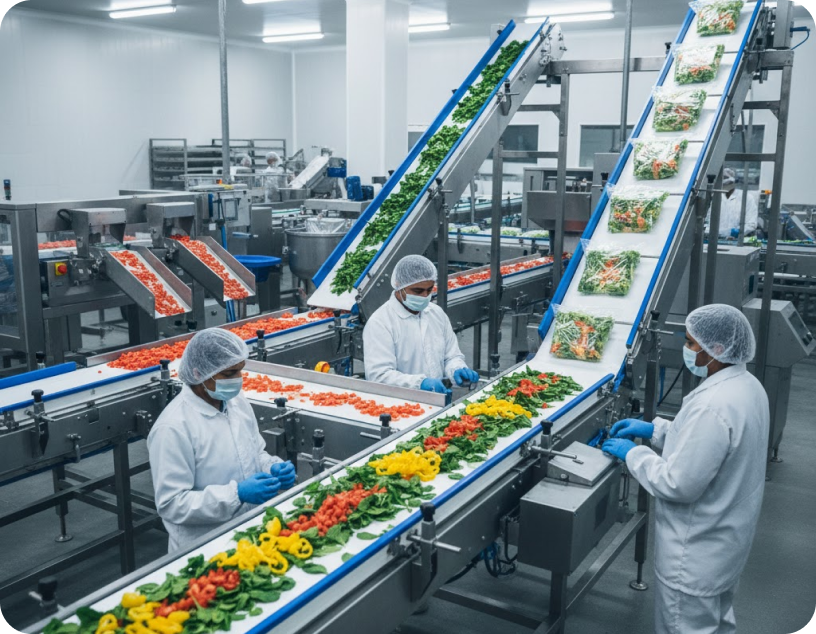
We’ve worked with United Global Engineering Solutions on multiple projects, and they’ve consistently delivered. Their conveyor belts for food processing have made a real difference for us, and we’ve appreciated how they tailor solutions to our specific needs. The team is responsive, the service is prompt, and the solutions are cost-effective without sacrificing quality.
Steve HarringtonThe Satisfied Manufacturer
- Industries Served
- 15+
- Years of Experience
- 10+
- Systems Installed
- 500+
- Happy Clients
- 600+
Solve Your Material Handling Problem
Our experts assess your plant conditions, identify the root cause, and recommend the right engineering solution to improve reliability, safety, and material flow.