
Retrofitting Old Conveyor Systems: A Smarter, Cost-Effective Upgrade

Vijay Baid
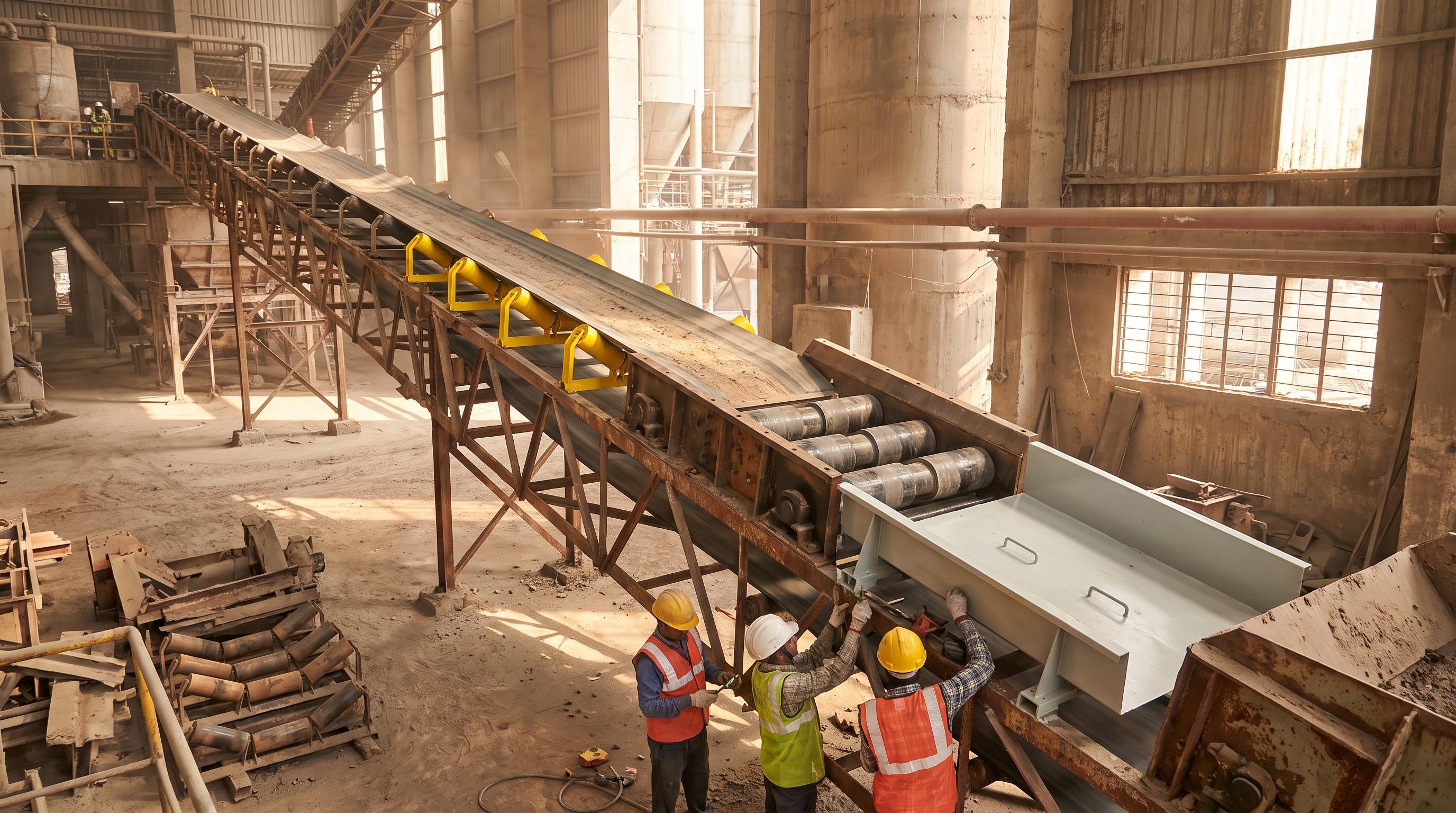
TL;DR: A targeted retrofit means keeping your existing steel structure and upgrading the parts that wear out fastest, such as idlers, impact zones, containment chutes, and tracking systems. That approach improves performance and cuts downtime without the cost of a full rebuild.
In heavy bulk plants, old conveyor systems rarely fail all at once. The first signs are usually spillage, poor tracking, vibration, and rising maintenance hours. For plant managers, that leads to a familiar decision: invest in a new system or keep paying for repeat fixes.
In most cases, full replacement is the costlier path. Rebuilding galleries, supports, and electrical routing demands major capital and can force long shutdowns that hit production hard.
A targeted retrofit is often the smarter upgrade. By keeping sound structural steel and replacing high-wear components, plants can recover throughput, cut maintenance, and extend service life while keeping safety and access requirements in focus.
Structural Economics: Retrofit vs. Full Replacement
Before you set budget, compare a full rebuild with a component retrofit. Look at both cost and plant impact. In many cases, a retrofit delivers the bigger return with less downtime.
1. Preserving In-Place Structural Capital
The steel trusses, galleries, and transfer foundations in a conveyor system hold a large share of its original value. In many plants, that structure is still sound unless it has severe corrosion or major damage. A full replacement throws away usable steel just to replace worn parts. A retrofit keeps the structure and focuses spending on the components that actually need attention.
2. Minimizing Plant Shutdown Windows
A new conveyor layout usually means a full stop in material flow for weeks. In cement and steel plants, that lost time quickly turns into lost output. A retrofit can be done in planned phases during normal maintenance shutdowns, including 48-hour windows. That keeps production moving while upgrades happen in stages.
The core differences in engineering investment strategy break down as follows:
Upgrade Dimension | Full System Replacement | Targeted Component Retrofit |
Financial Allocation | Capital Intensive (High CapEx) | Operational Optimization (Targeted OpEx) |
Plant Downtime Required | Weeks of complete process outage | Phased installation during 48-hour windows |
Material Conservation | Massive structural steel scrap waste | 100% reuse of functional gallery steel trusswork |
Infrastructure Impact | Extended electrical and piping re-routing | Drop-in mechanical fitment with zero rerouting |
Technical Comparison
To see if your conveyor is a good retrofit candidate, match its current problems with the engineering checks below. This makes it easier to spot what needs to change first and what return you can expect.
Current Plant Asset Condition | Root Engineering Deficiency | Best Retrofit Component Solution | Operational Return on Investment |
Chronic Edge Wear & Structural Stripping | Worn frame brackets, frozen return rolls, rigid alignment scrapers | Precision Conveyor Idler Selection & self-aligning training rollers | Eliminates catastrophic belt tearing risks |
Severe Shuck Shock & Chute Carcass Cracking | Rigged steel rolls or collapsed static timber blocks under feed paths | Heavy-walled rubber-ring impact idlers or modular slider beds | Dissipates extreme drop energy; protects belt plies |
Massive Dust Clouds & Material Spillage | Warped skirt boards, sagging belt lines, worn containment boundaries | Dynamic containment skirts & dual-seal polyurethane clamping | Protects downstream Screw Conveyors from abrasive grease wear |
Throttled Line Feed Volumes | Underpowered drive sizes, shallow obsolete trough profiles (20o) | Upgrading frames to 35o or 45o configurations | Safely maximizes material carrying cross-section |
Don't waste capital replacing your entire conveyor framework when a component upgrade can restore peak line efficiency. Share your current system bottlenecks, belt speeds, and material properties with our application engineers for a targeted retrofit compatibility assessment.
High-Impact Retrofit Implementation Areas
To maximize the performance of an older conveyor line, your engineering team should focus their retrofit upgrades on three high-return mechanical zones:
1. Upgrading the Trough Profile and Roller Efficiency
Many older bulk systems were built with shallow 20° troughing. That limits how much material the belt can carry. As load rises, the risk of edge spill also goes up.
By replacing old brackets with modern 35° or 45° CEMA idler sets, you can increase belt carrying volume right away. CEMA, the Conveyor Equipment Manufacturers Association, publishes widely used conveyor design standards. Verify the new assemblies against your load and structural limits, then check reference values from NIST, the National Institute of Standards and Technology before finalizing the design.
In dusty cement or coal plants, roller sealing matters. Choose rollers with strong multi-stage seals to keep fine dust out. That helps prevent seized rollers and reduces extra load on the drive.
2. Reinforcing the Chute Loading Zone
Older transfer zones often use rigid steel idlers placed just below the feed chute. Impact idlers are shock-absorbing rollers fitted with rubber or polyurethane rings to cushion falling material. Replacing rigid idlers with impact idlers helps protect the belt, reduces stress on the frame, and improves service life.
3. Implementing Dynamic Containment and Sealing Systems
Spillage at loading zones creates cleanup work and safety risk. Older systems often use rigid timber or simple rubber strips fixed to steel walls. As the belt sags between rollers, gaps open and dust and material start to escape.
An adjustable polyurethane skirt seal creates a close fit against the moving belt. That helps keep dust and fine material inside the flow path. It also protects downstream equipment like Flow Control Gates , which regulate or stop bulk material flow at key transfer points, from early wear.
Field Experience Insight: The Phased Retrofit Success
A steel plant was facing serious capacity limits on an iron ore reclaim conveyor. The old 20° troughing layout caused heavy spillage once feed rates moved past 60% of design capacity. A full replacement was quoted at a very high cost and needed a three-week shutdown. Instead, the plant chose a phased retrofit. Over three planned 48-hour shutdowns, the team replaced frozen rollers, installed new 35° CEMA D troughing assemblies on the existing structure, added impact rollers below the drop chutes, and fitted tracking trainers on the return side.
The retrofit cost was far lower than a full rebuild. Just as important, the upgrades stopped spillage and let the conveyor run at full capacity. Material kept moving through the plant, including chutes, Dampers , exhaust towers, and downstream lines, without any unplanned stoppage.
For accurate site planning, use the right dimensions, load ratings, and seal details for each component. Download the technical data sheets below to support your engineering review and project planning.
Final Takeaway
Retrofitting an aging conveyor system is one of the most practical ways to restore reliability without paying for a full rebuild. When the main structure is still sound, you can upgrade the high-wear zones instead. New carrying rollers, impact idlers, and tracking systems help reduce spillage, improve belt life, and raise throughput.
When material handling runs well, the whole plant runs better. Stable conveyor performance supports steady flow through storage, diversion, and downstream process lines, including Diverter Valves , which redirect bulk material from one line to another, and other bulk handling equipment.
Frequently Asked Questions (FAQ)
Check whether the main steel structure is still sound. Start with a visual inspection and thickness testing on the trusses and channel frames. If corrosion loss is low and there are no major cracks or distortions, the structure is often suitable for retrofit after a proper engineering review.
Yes, in some cases you can. Higher-efficiency, precision-sealed idlers reduce rolling resistance, which lowers the power needed to move the belt. That can create room for more payload, as long as the rest of the system still stays within design limits.
They matter because they protect the belt as it moves from a deep trough shape to a flat pulley zone. Without that transition support, belt edges can stretch and the carcass can take extra stress. Transition idlers ease that shape change and help prevent early belt damage.
Rubber-ring impact idlers are usually the simpler and lower-cost retrofit option. They fit standard frames and work well in tight spaces with small to medium material sizes. Full impact cradles are better for severe drop zones with large, heavy material because they provide more continuous belt support.
Install them at regular intervals along both the carrying and return sides, with extra attention near the head and tail pulleys. On older lines, spacing of about 30 to 45 meters is a common starting point. A tracking trainer placed around 15 meters before major pulleys can also help keep the belt centered.