
Our Blogs
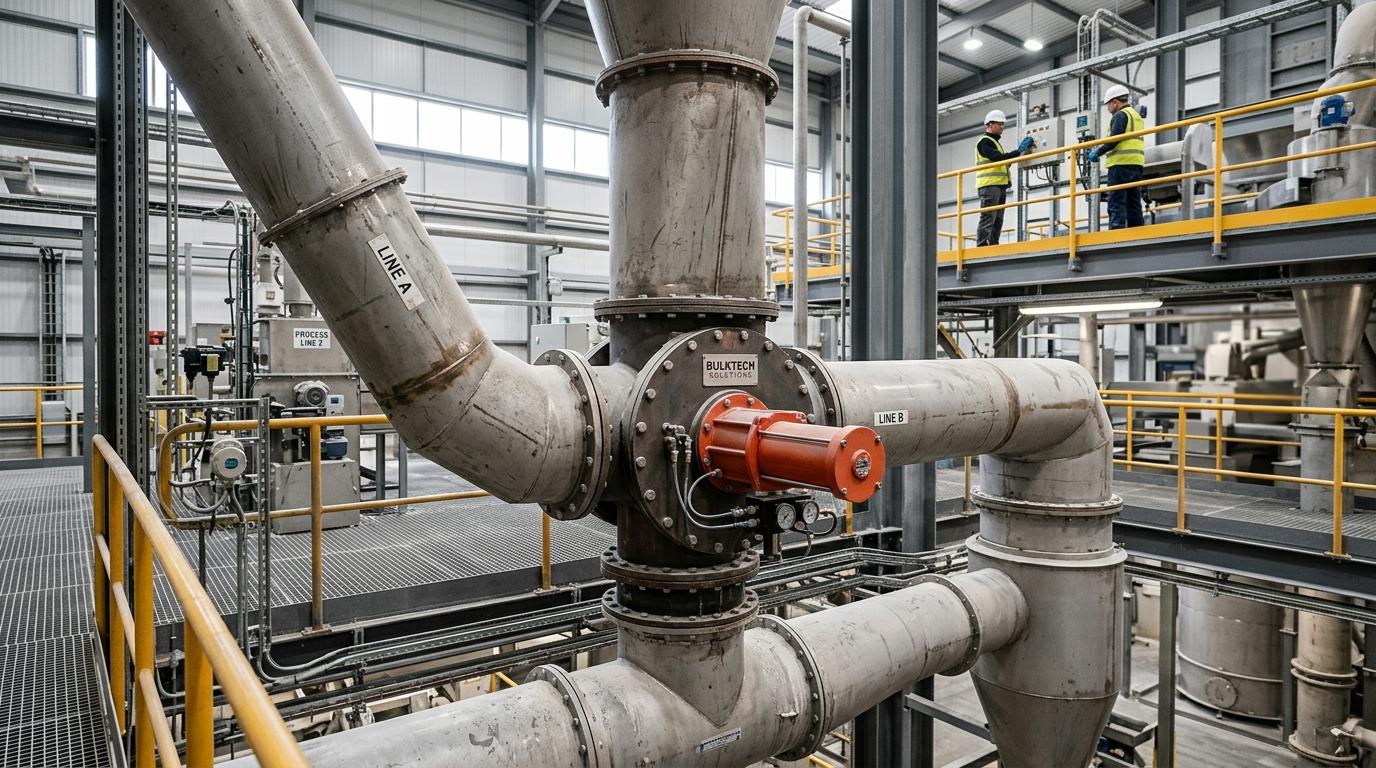
2-Way vs 3-Way Diverter Valve: Key Differences and How to Choose the Right One
Not sure whether a 2-way or 3-way diverter valve is right for your system? This guide explains the key differences, ideal use cases, and selection factors so you can choose the right routing design for bulk material handling without adding unnecessary complexity.
12 min read
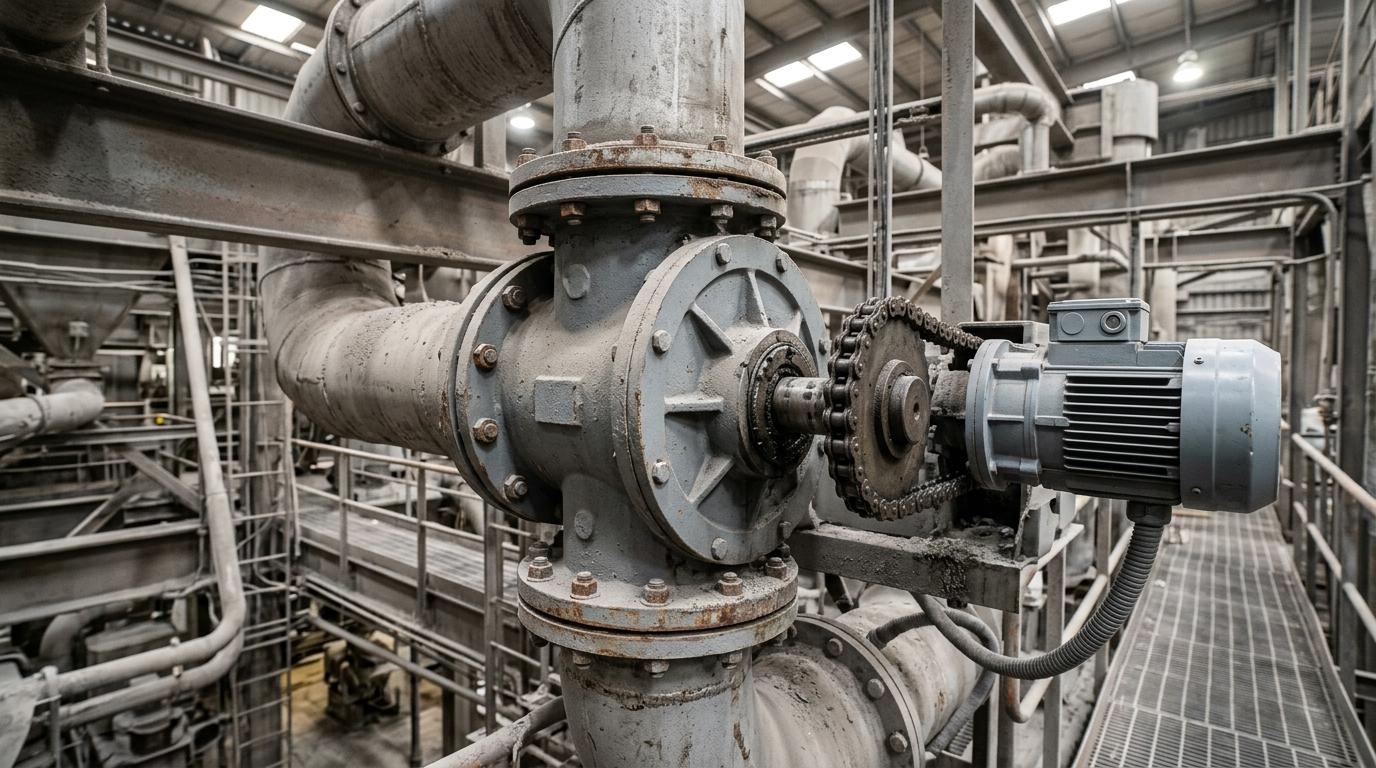
Offset Rotary Valve: Working Principle, Use Cases, and When to Choose It
An offset rotary valve is used when a standard rotary airlock can damage friable material, create excess fines, or increase dust at sensitive transfer points. This guide explains how it works, where offset rotary airlock applications make sense, and when the added cost is justified.
9 min read
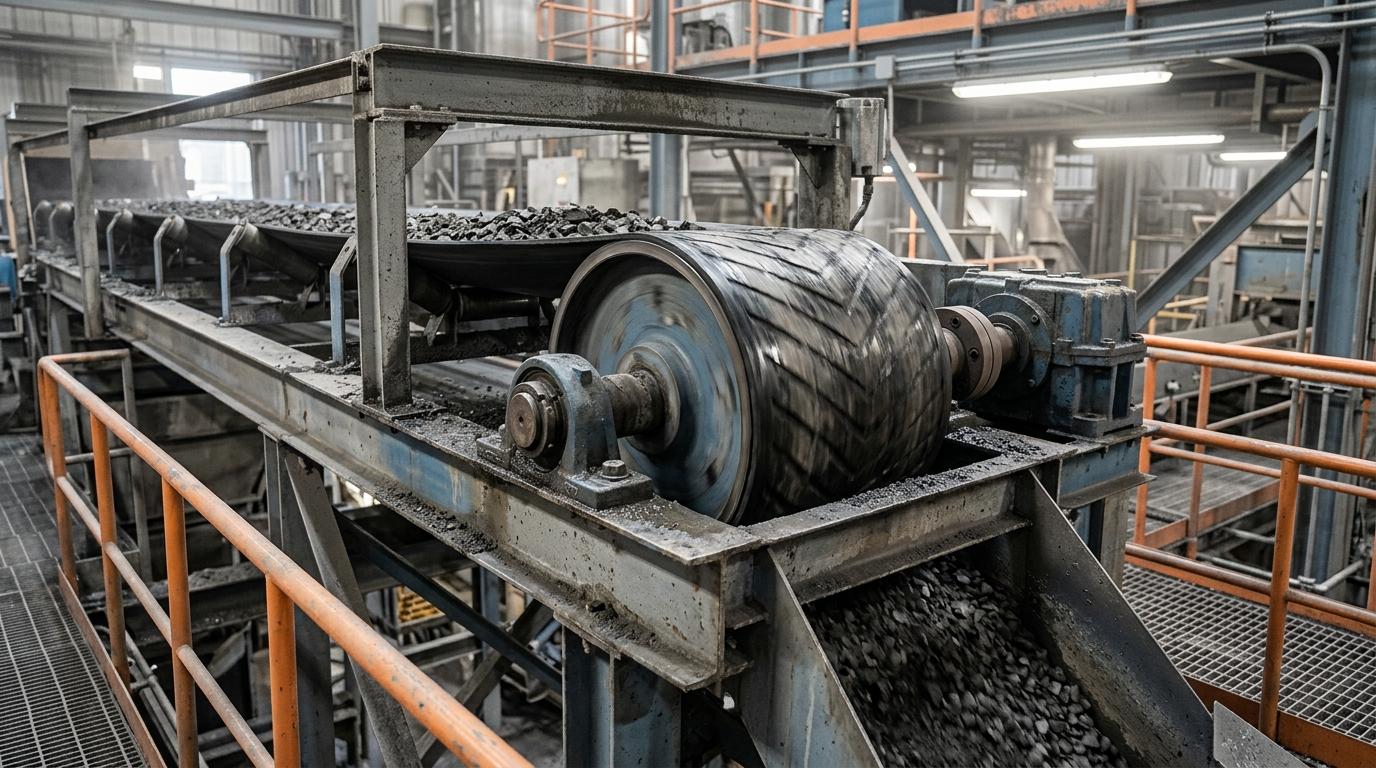
How to Fix Drive Pulley Slippage: Practical Troubleshooting for Conveyor Engineers
Learn how to fix drive pulley slippage by checking belt tension, lagging condition, wrap angle, contamination, and conveyor load. This practical guide helps conveyor engineers diagnose the real cause and apply the right fix before slip leads to heat, wear, and downtime.
11 min read
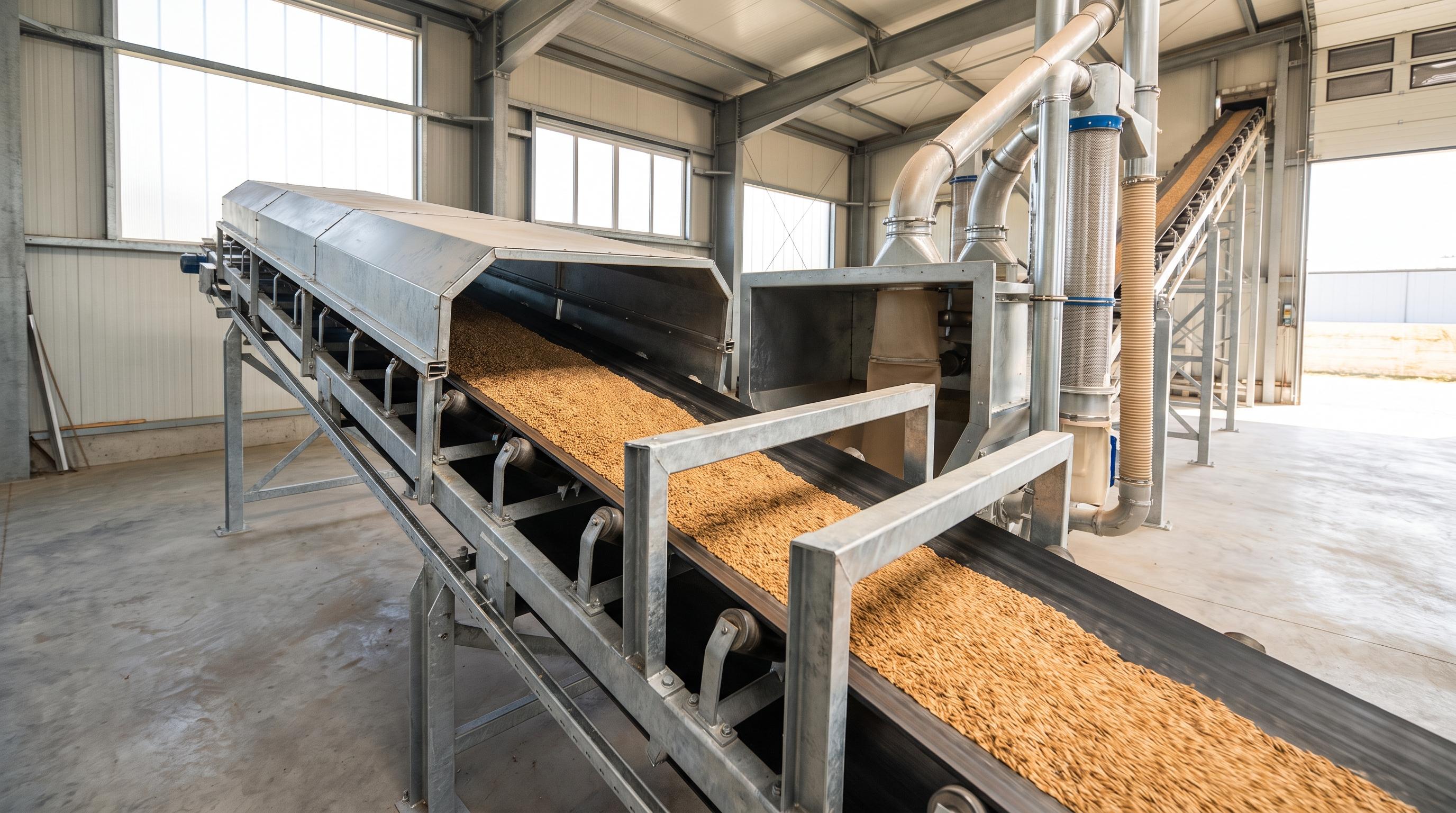
Grain Handling Conveyor Design: How to Reduce Product Damage
Grain handling conveyors must be engineered for gentle transfer, controlled belt speed, and stable flow if you want to limit kernel breakage, dust, and product loss. This guide explains the design decisions that matter most, from loading geometry and chute angles to discharge control and maintenance access.
9 min read
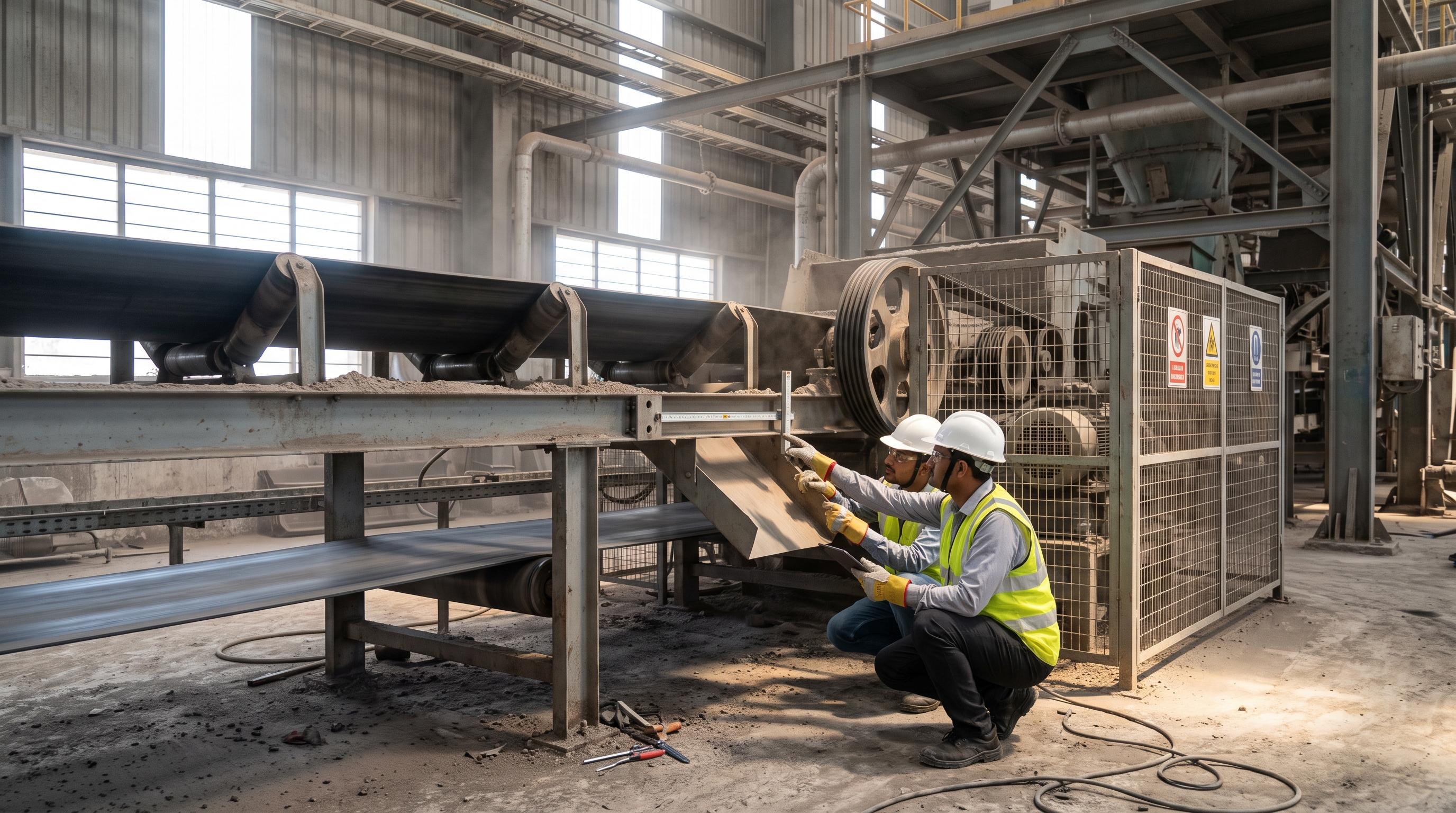
Conveyor Commissioning Checklist: What to Verify Before Full-Load Operation
A conveyor that starts is not necessarily ready for production. This step-by-step commissioning checklist covers pre-start inspection, empty-run verification, and 25%, 50%, and 100% load testing before handover.
16 min read
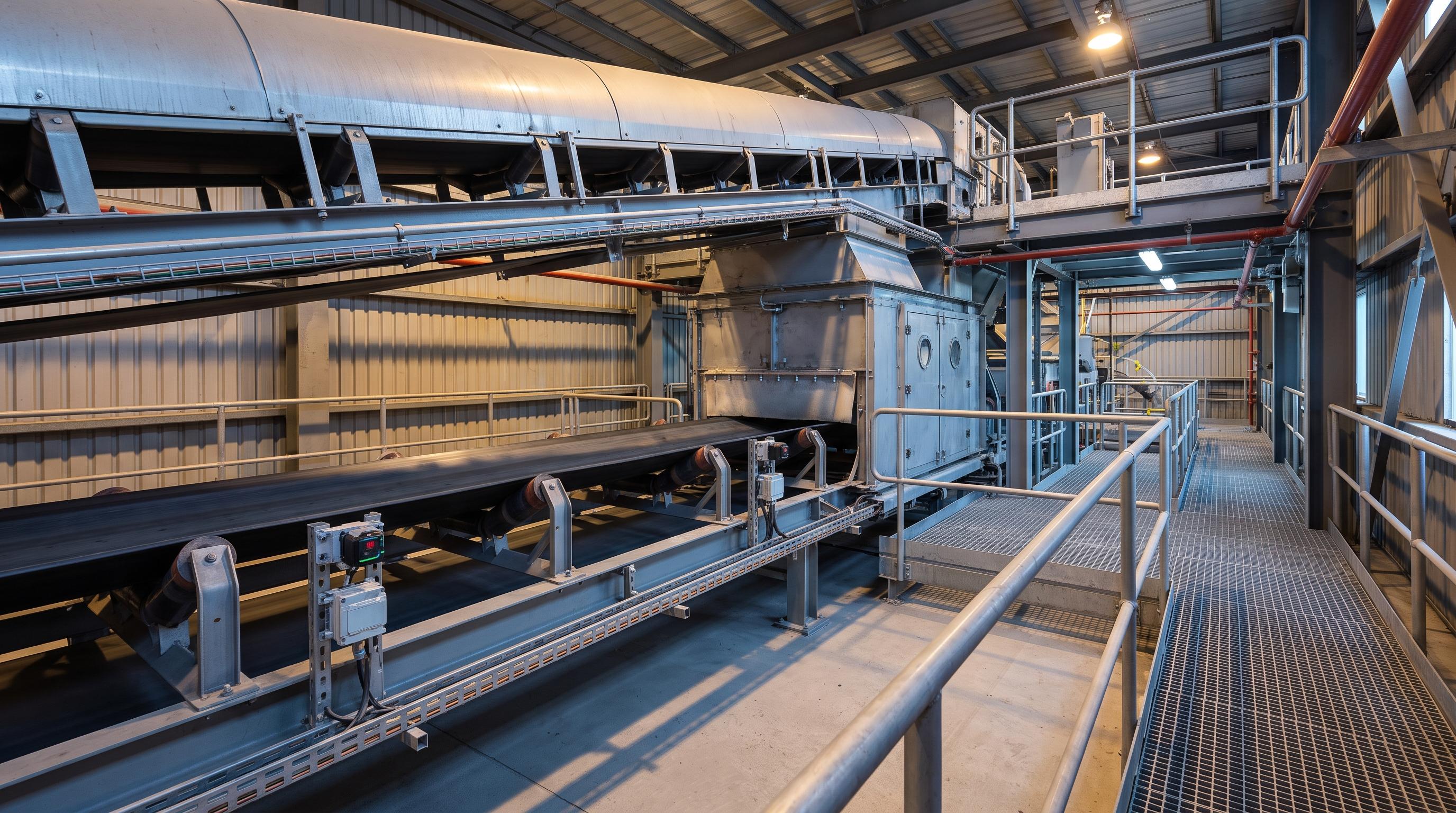
Conveyor Fire Risk Reduction: Simple Engineering Controls
Conveyor fires usually start with friction, heat build-up, dust accumulation, or poor housekeeping—not bad luck. This guide explains practical engineering controls that reduce conveyor fire risk, improve uptime, and make bulk material handling systems safer to operate.
8 min read
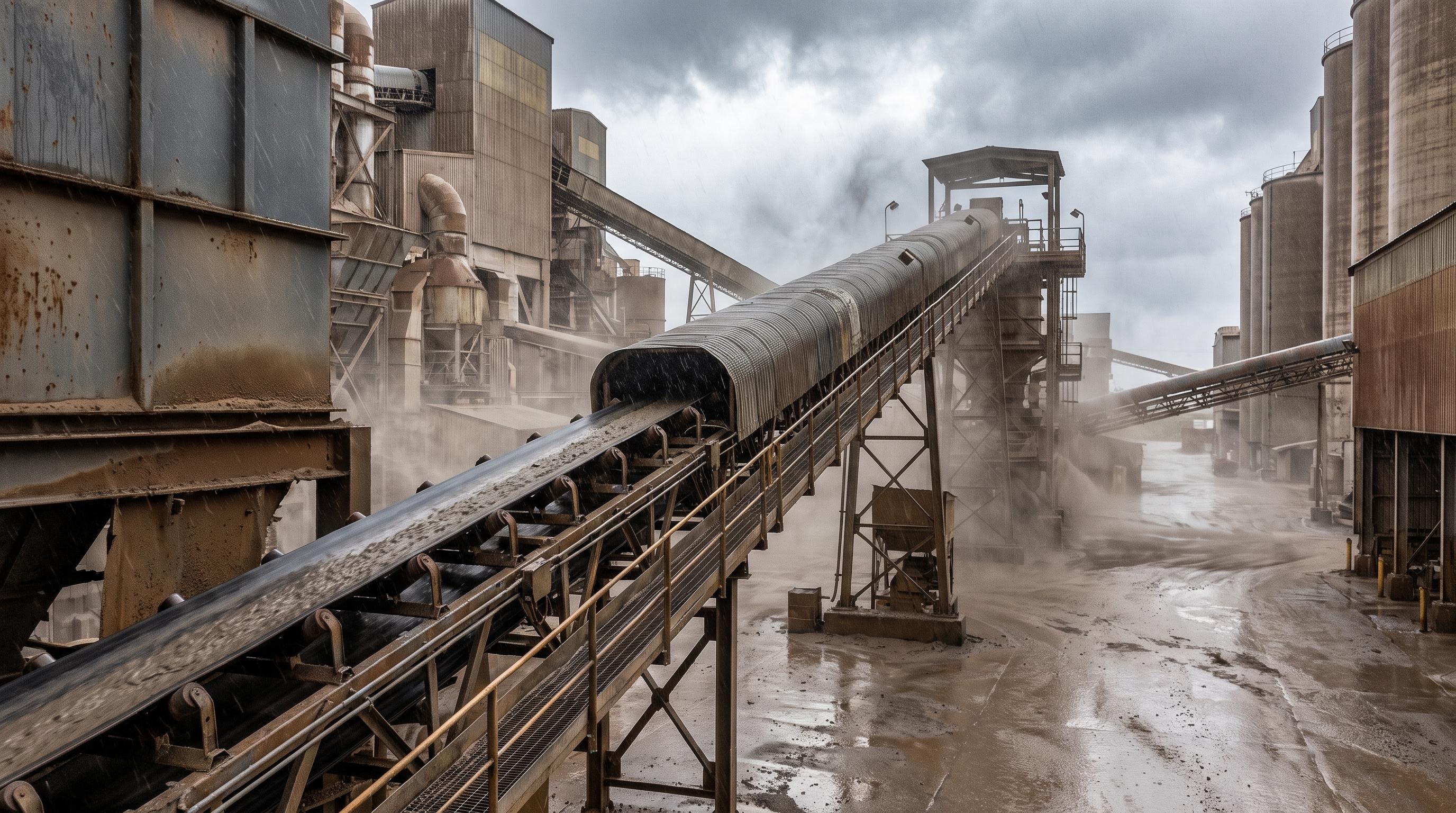
Conveyor Design for Extreme Weather: Outdoor Engineering Guide
Outdoor conveyor design must account for wind, rain, heat, dust, and corrosion from the start. This guide explains the engineering decisions that keep outdoor bulk material handling systems reliable and maintainable.
9 min read
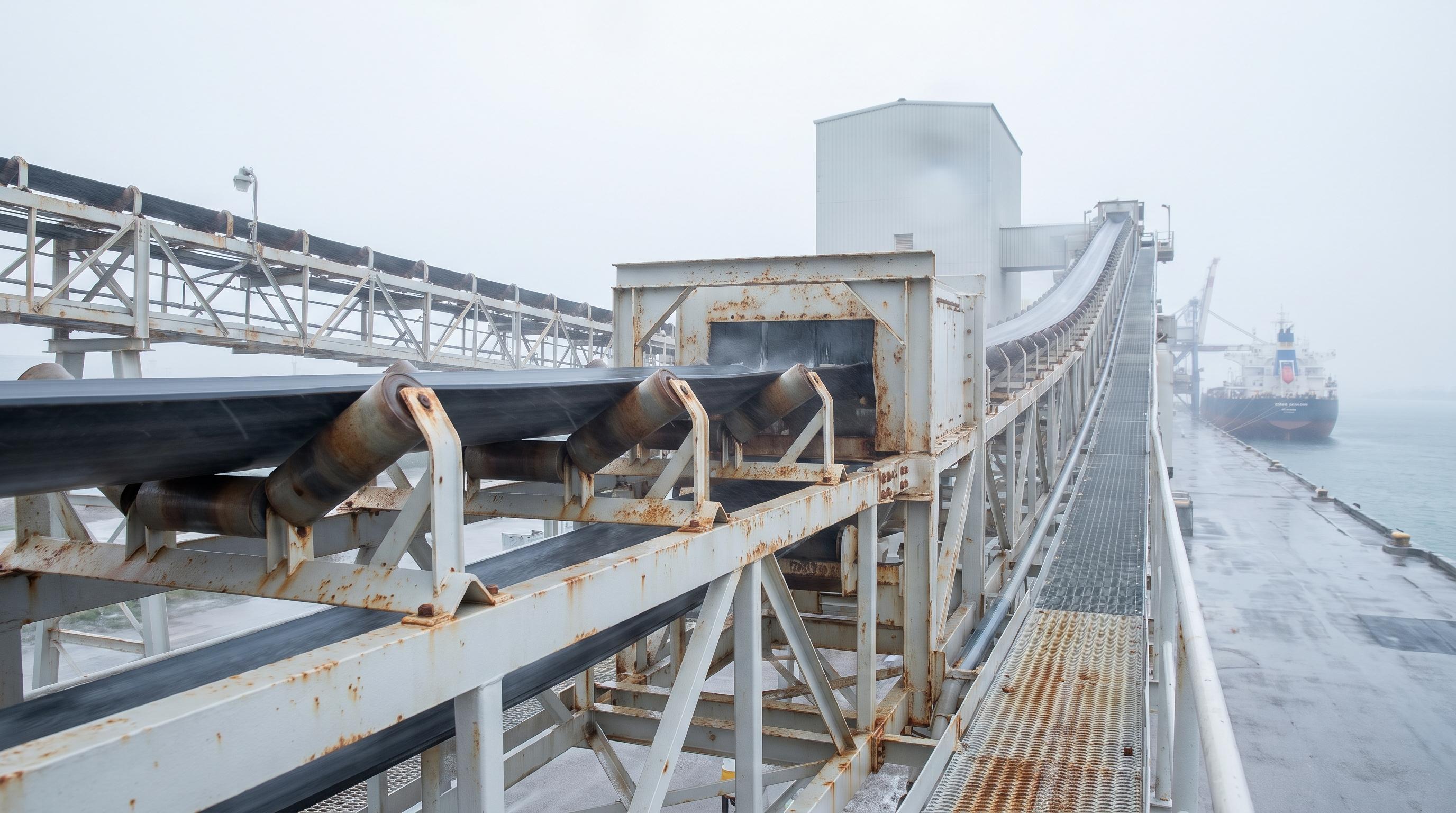
Conveyor Corrosion in Coastal Environments: Causes, Risks, and Fixes
Coastal conveyors fail faster when salt, humidity, and washdown attack pulleys, idlers, structures, and transfer points. This guide explains where corrosion starts, how it hurts performance, and what engineering teams should inspect, upgrade, and redesign to protect uptime.
7 min read
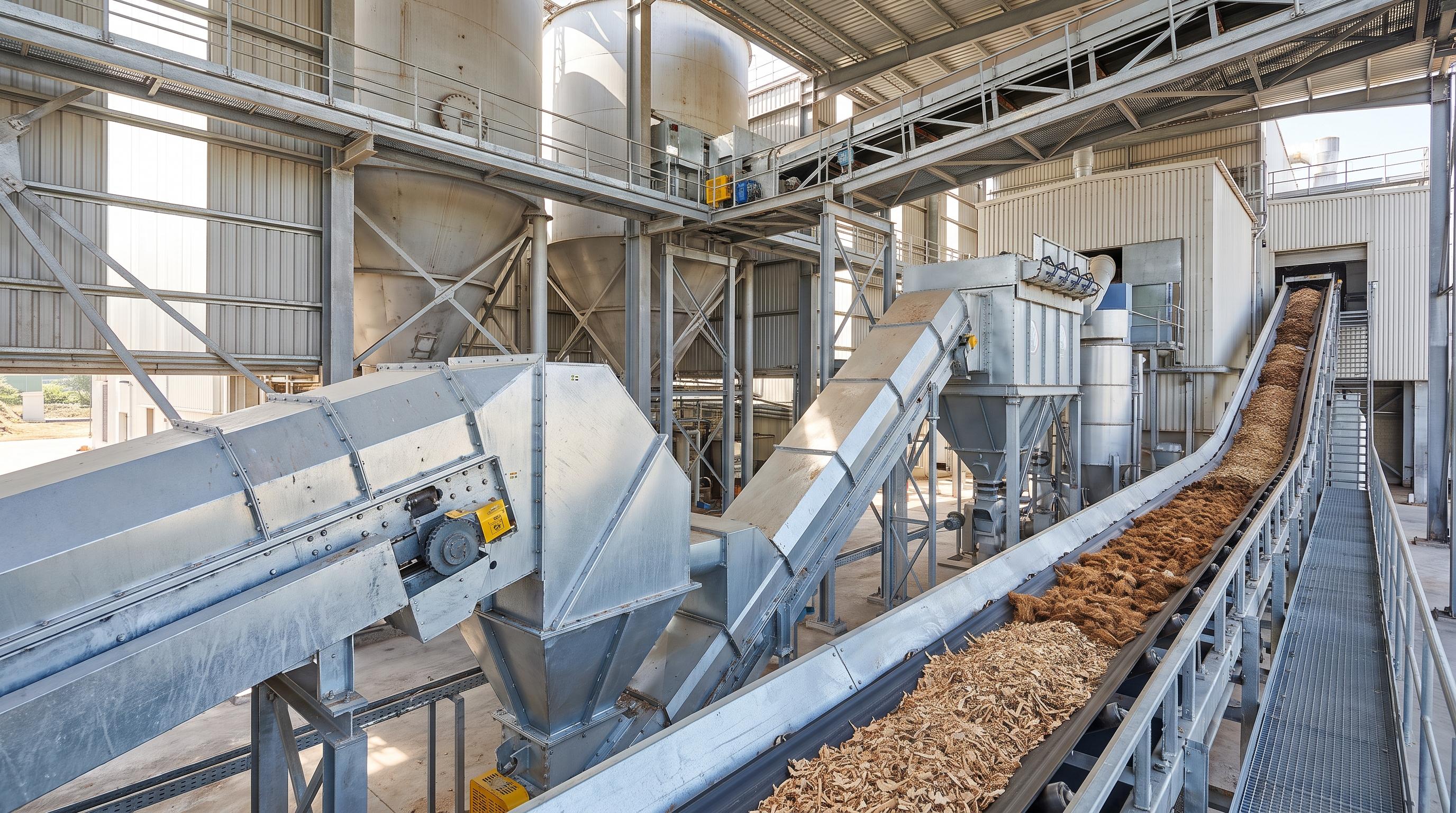
Biomass Handling Conveyors: 5 Common Design Problems
Biomass conveyors fail early when plants treat them like standard bulk-material systems. This guide covers the design issues that most often cause plugging, spillage, dust, belt mistracking, and maintenance headaches in biomass handling lines.
6 min read