
Our Blogs
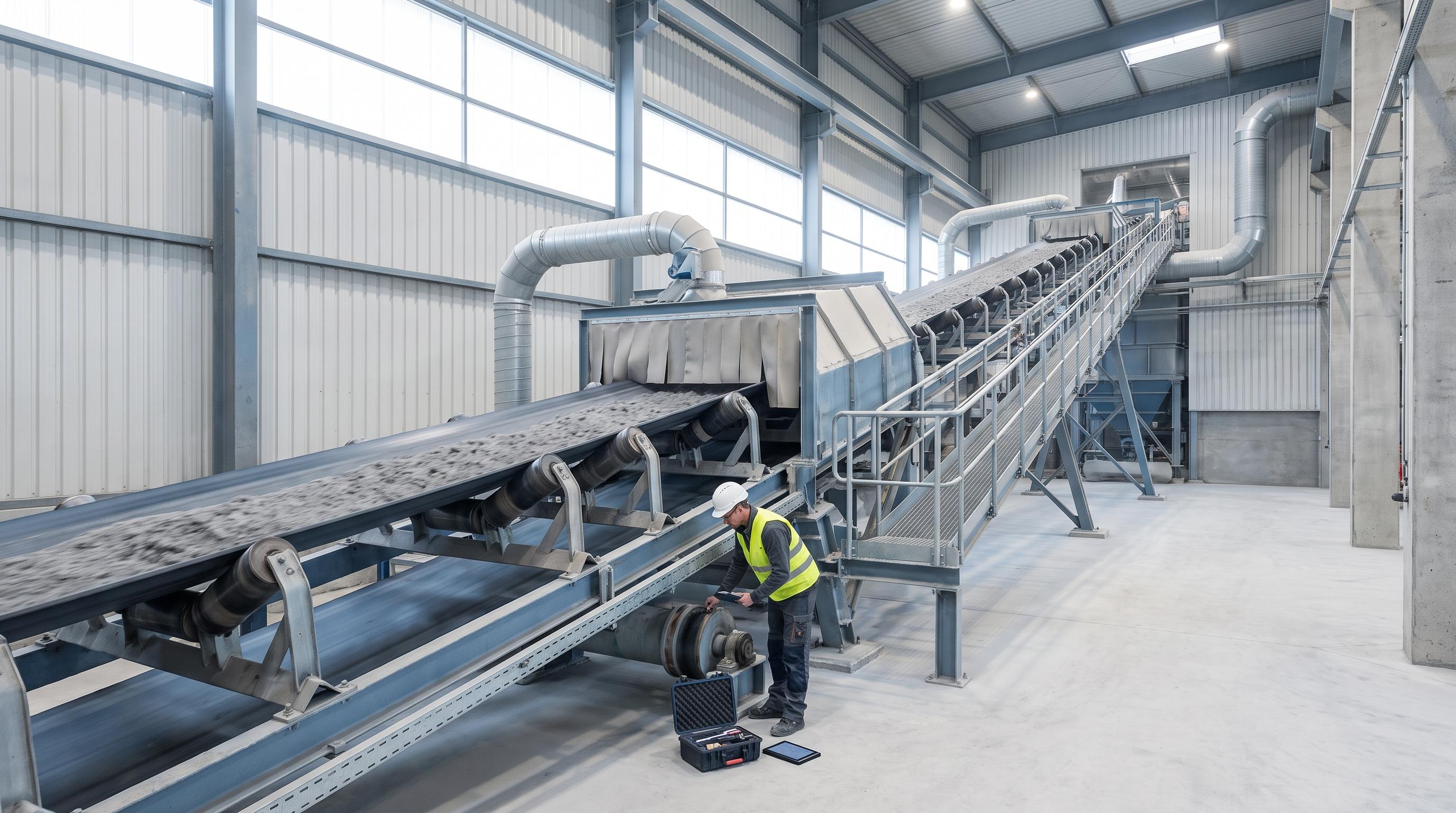
The Hidden Cost of Conveyor Downtime and How to Prevent It
Unplanned conveyor downtime costs far more than mere hardware repairs; it ripples downstream, stalling production, causing secondary structural damage, and creating regulatory liabilities. By shifting from reactive maintenance to proactive engineering specifically prioritizing precise CEMA idler selection, robust transfer-point sealing, and automatic self-aligning tracking arrays plants protect profitability and secure consistent material throughput.
5 min read
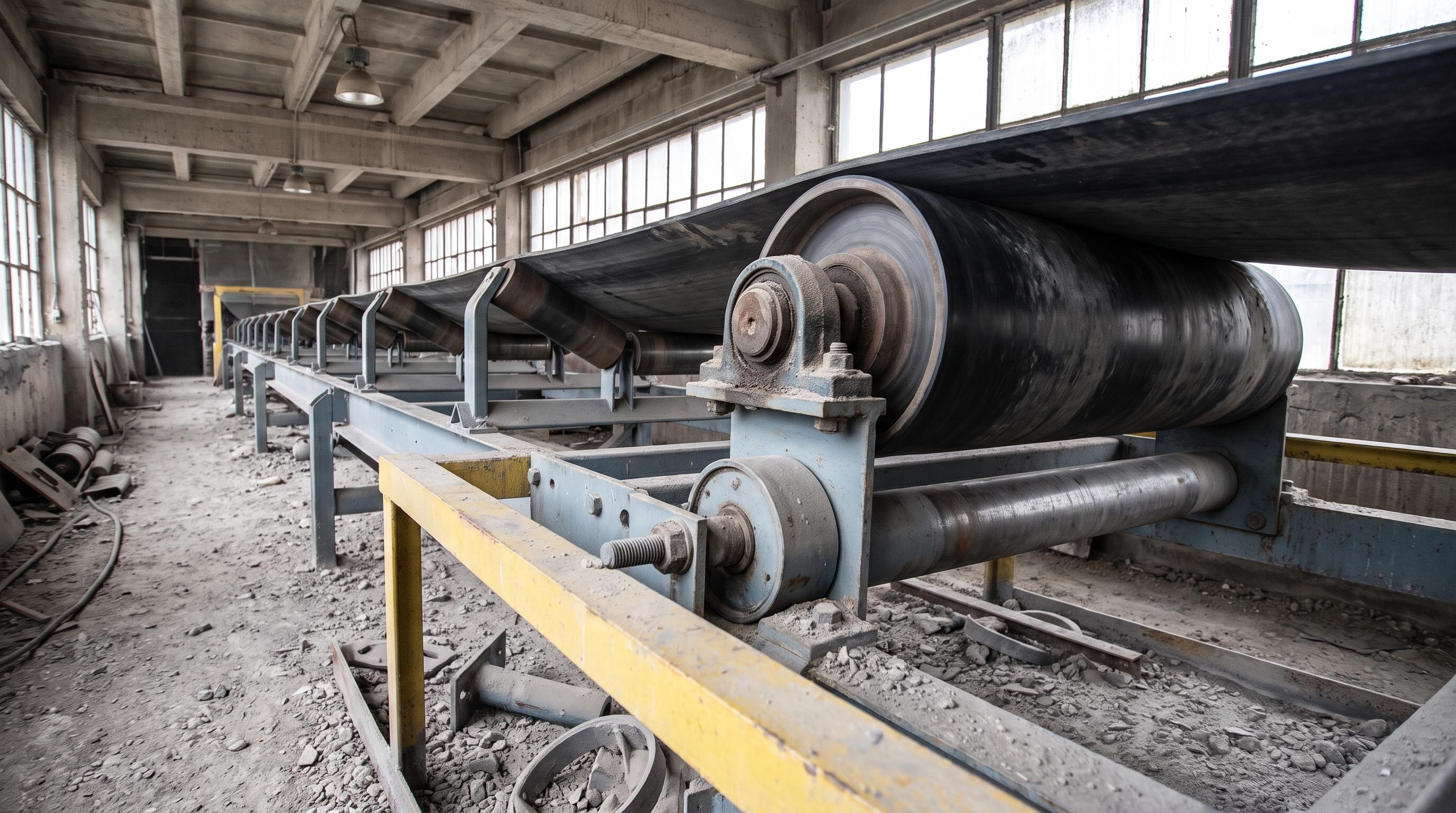
Return Idler Spacing Calculation: A Design Guide for Conveyor Engineers
Return idler spacing is set by belt sag, not guesswork. This guide covers the sag formula, how much sag is acceptable, typical spacing by belt width, a worked 1200 mm example, the main return idler types, and where to tighten spacing.
10 min read
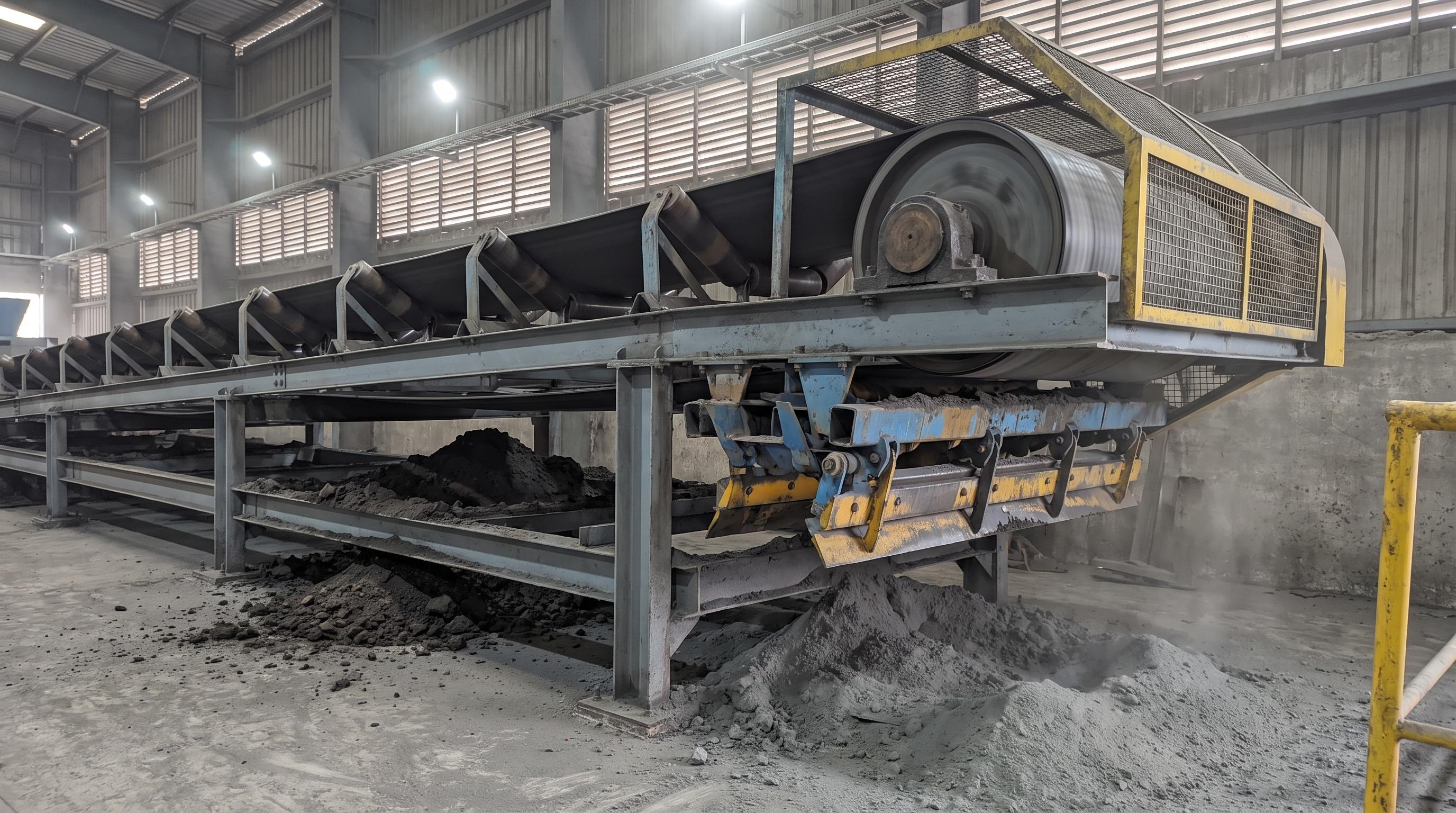
Conveyor Carryback: Causes, Impact & Engineering Methods to Reduce Material Build-Up
Conveyor carryback is the material that remains attached to a conveyor belt after it passes the discharge point and continues along the return side. It is typically caused by ineffective belt cleaning, sticky materials, improper scraper selection, or poor maintenance. Reducing carryback helps minimise material loss, equipment wear, housekeeping efforts, and unplanned downtime while improving overall conveyor reliability.
7 min read
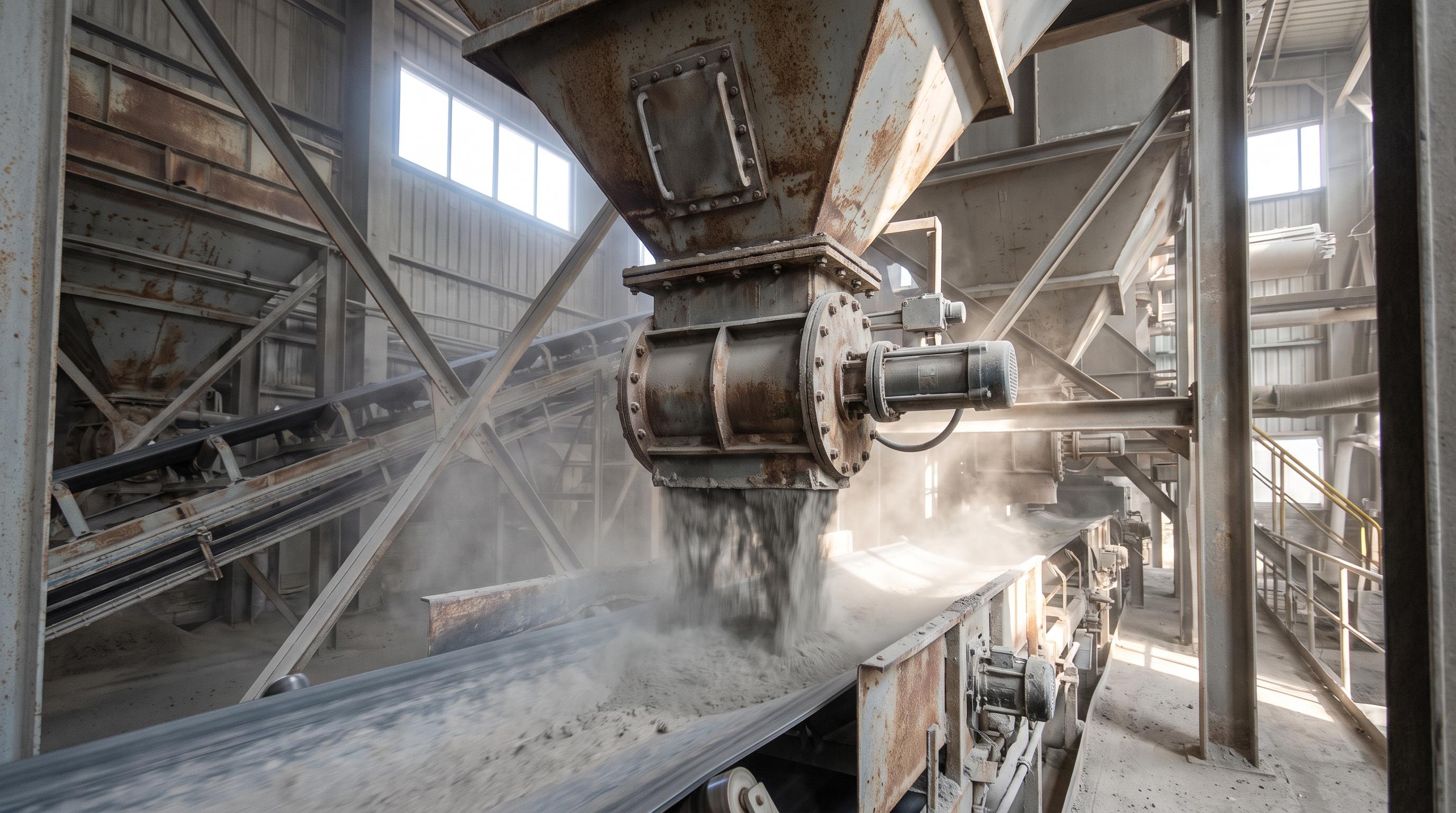
How to Size and Specify a Flow Control Gate for Stable Hopper and Silo Discharge
Sizing a flow control gate requires analyzing the material profile to avoid bridging or line flooding. Matching the **gate opening** to hopper design parameters prevents choking, while choosing the correct gate type and seals ensures a **stable, dust-tight discharge loop** under heavy static loads.
6 min read
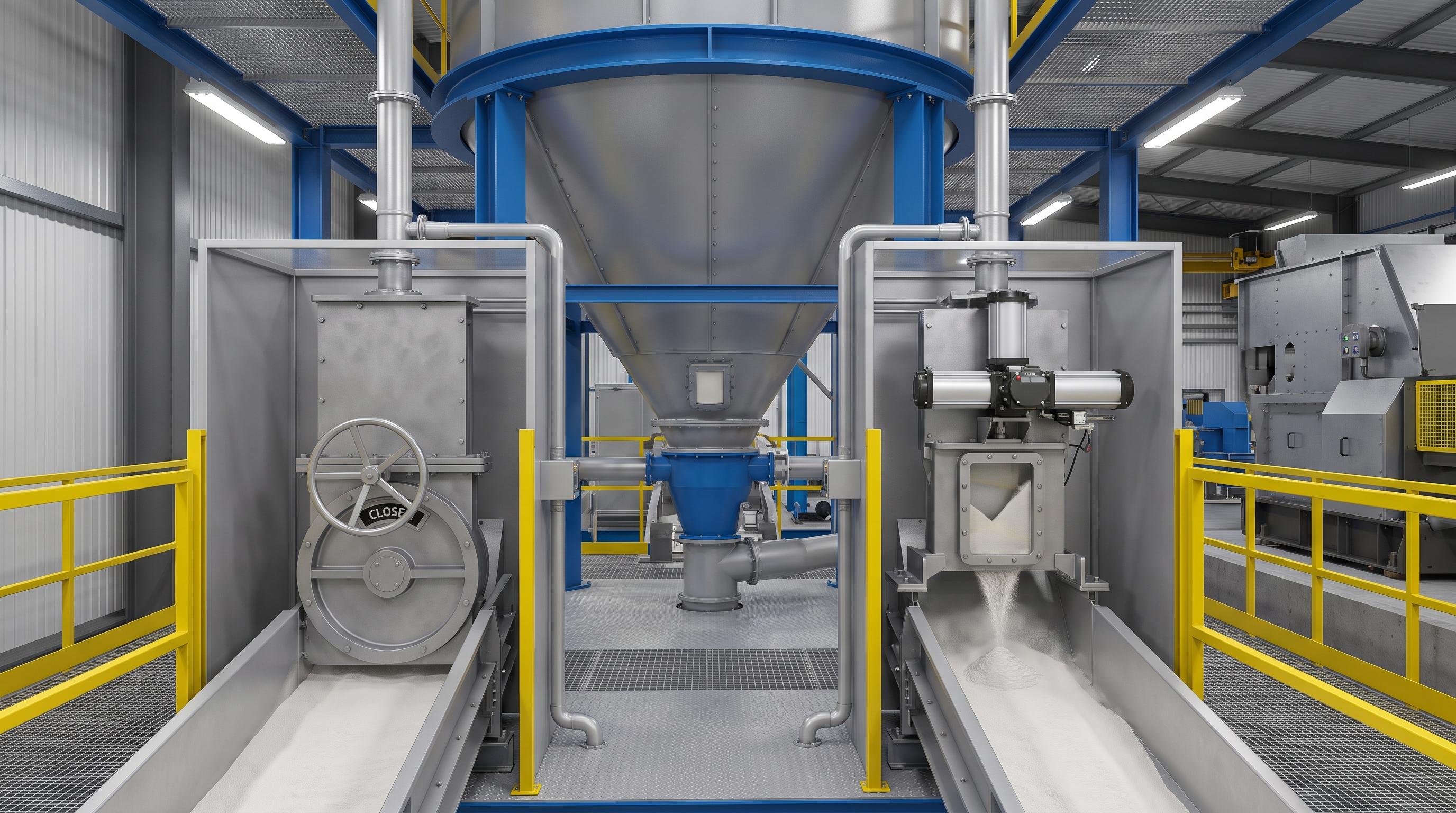
Flow Control Gate vs Slide Gate: When You Need Metering Instead of Shut-Off
This guide highlights the mechanical differences between a standard slide gate and a flow control gate. While slide gates are engineered for binary on/off maintenance isolation, flow control gates utilize variable positioning and advanced seals for precise, continuous volumetric metering, preventing material flooding and premature down-line component wear.
5 min read
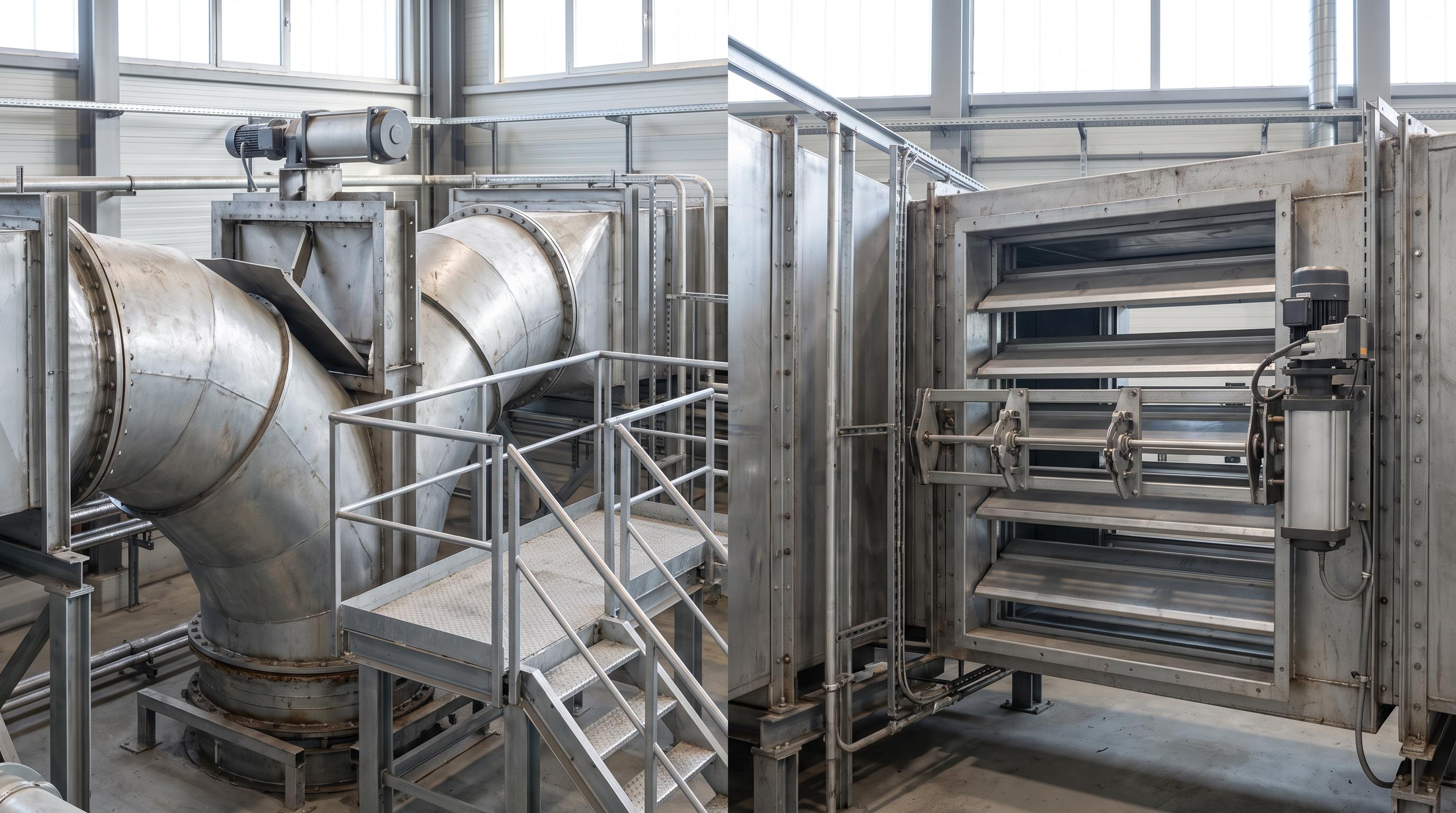
Splitter Dampers vs Louver Dampers Which One Fits Your Airflow Control Duty Better?
This guide highlights the differences between industrial splitter and louver dampers for duct system airflow management. While splitter dampers cleanly divert or partition a gas stream at Y-junctions with minimal pressure drop, multi-blade louver dampers offer superior inline throttling, volume modulation, and backpressure control within a single duct line.
6 min read
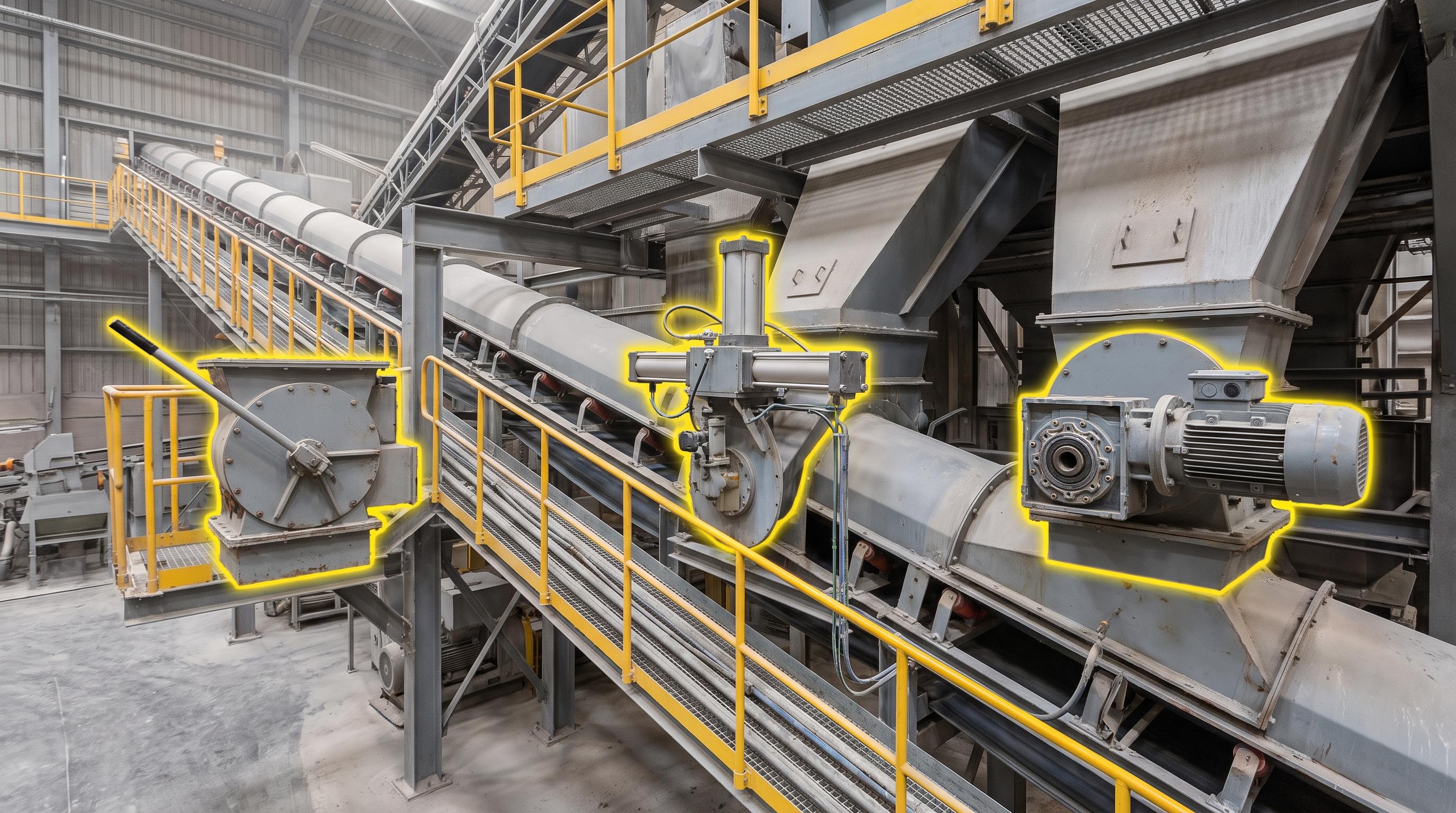
Manual vs. Pneumatic vs. Motorized Diverter Valves for Bulk Material Routing
This guide compares manual, pneumatic, and motorized diverter valves for bulk material routing. Manual valves suit infrequent, low-risk changes; pneumatic valves offer rapid, high-cycle binary switching; and motorized valves deliver high-torque, controlled positioning. Choosing the correct actuation method prevents operational downtime, material jams, and structural wear.
6 min read
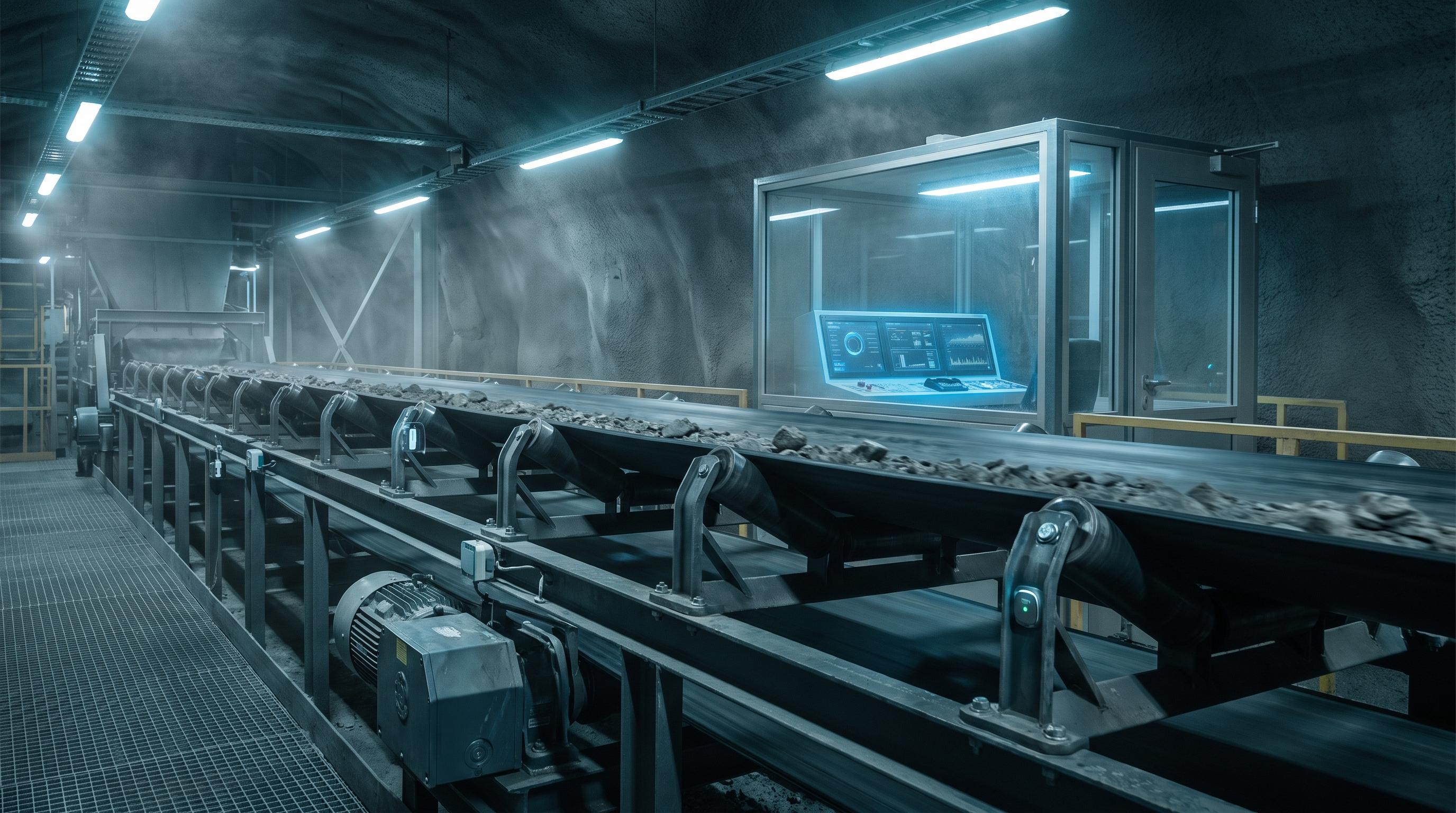
Why Smart Conveyors Are the Future of Industrial Efficiency
Smart conveyors improve industrial efficiency by turning hidden belt, drive, load, and maintenance problems into visible, actionable signals. For cement, mining, steel, and bulk material handling plants, that means fewer unplanned stoppages, safer inspections, better maintenance timing, and more stable throughput.
8 min read
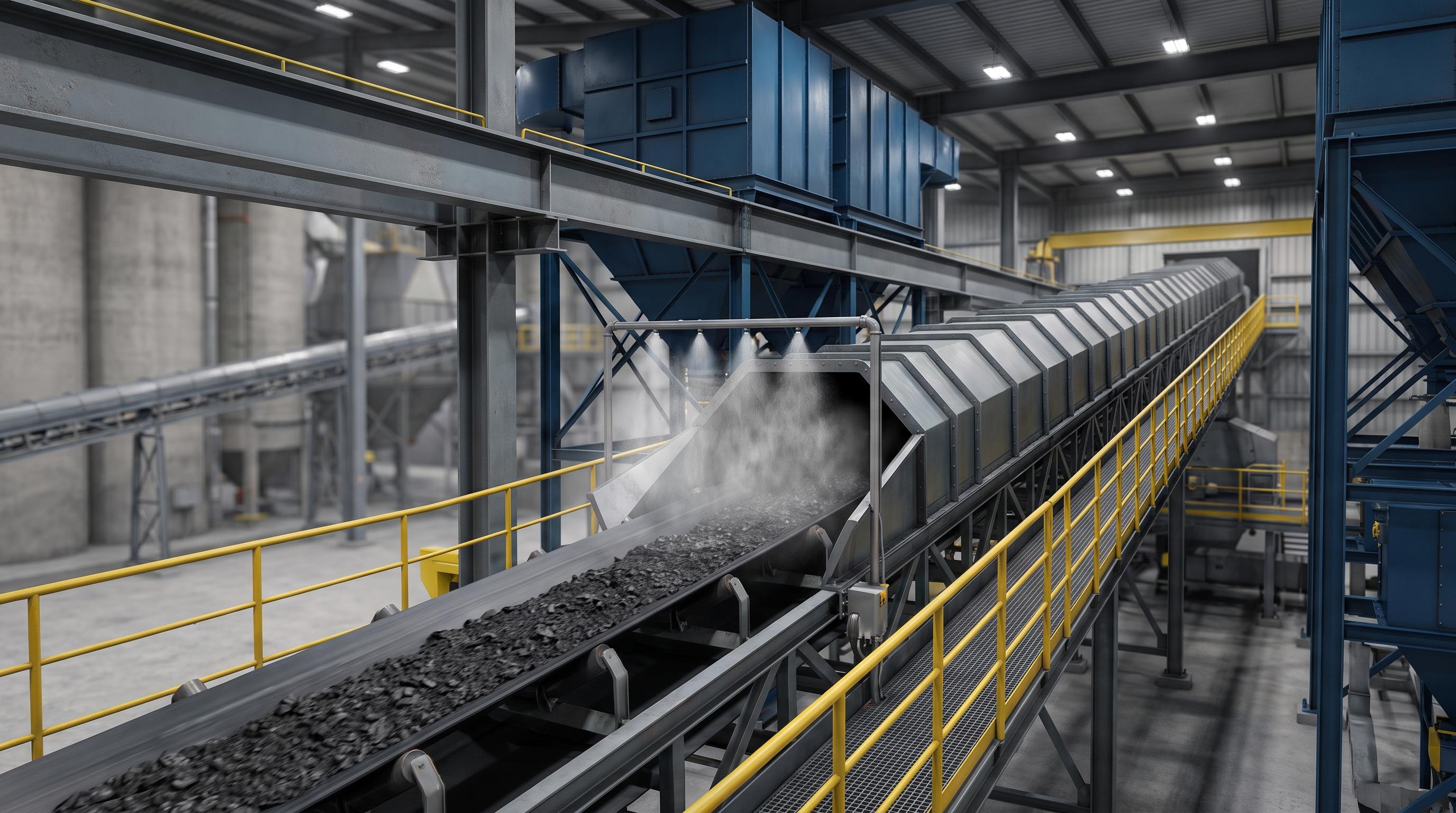
From Dust to Durability: Solving the Industry’s Oldest Conveyor Problem
Conveyor dust is a transfer-point problem before it becomes a housekeeping problem. This article explains why dust forms, how enclosed and properly engineered conveyor sections improve containment, and what plant teams should review to reduce wear, spillage, and downtime.
10 min read